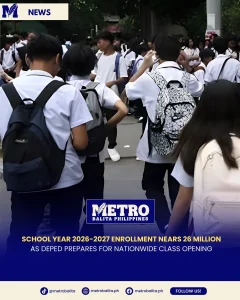
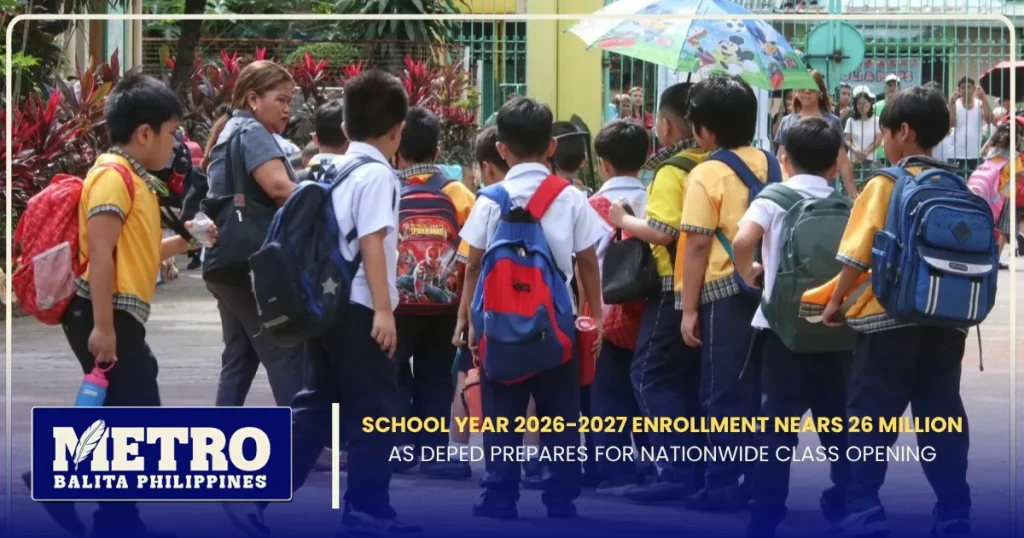
MANILA, Philippines — Just days before the official opening of classes, the Department of Education (DepEd) announced that nearly 26 million learners have already enrolled for School Year 2026-2027, signaling another massive return to classrooms across the country.
Education officials said the enrollment figure is expected to increase further as late registrants continue to sign up throughout June. With schools set to welcome students nationwide, DepEd expressed confidence that preparations for School Year 2026-2027 are largely complete and that public schools are ready to begin the academic year as scheduled.
The latest enrollment numbers highlight the continued recovery and stability of the country’s basic education system as government agencies work together to ensure a smooth and safe school opening.
School Year 2026-2027 Enrollment Reaches 26 Million
According to DepEd, approximately 26 million learners had already enrolled as of the end of the previous week. The agency expects the figure to climb further as students who were unable to register before the opening of classes continue to enroll in the coming weeks.
Education officials noted that enrollment activity typically remains active until the end of June, particularly among students transferring from other schools, returning learners, and those who face logistical challenges in completing their registration before classes begin.
The current enrollment level places School Year 2026-2027 on track to match or slightly exceed last year’s student population, reflecting the sustained demand for basic education services throughout the country.
Why Some Students Enroll Late
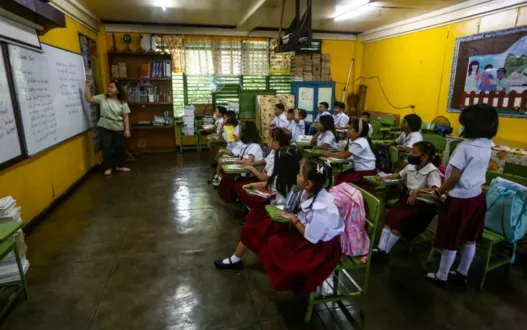
DepEd explained that several factors contribute to delayed enrollment among learners.
Senior high school students who are working while studying often complete their registration closer to the opening of classes. In addition, some families relocate from provinces or transfer residences shortly before the school year begins, causing delays in enrollment processing.
Despite these circumstances, education officials remain optimistic that enrollment targets for School Year 2026-2027 will be achieved.
Earlier projections from the department indicated that student enrollment could range between 26 million and 28 million learners nationwide.
Classes to Open as Scheduled Nationwide
As anticipation builds for the return of students to campuses, DepEd clarified that classes for School Year 2026-2027 will proceed as planned.
The agency dismissed circulating claims suggesting that class openings would be postponed, stressing that schools across the country have completed extensive preparations for the academic year. Education officials emphasized that classrooms, facilities, and learning environments have been readied to accommodate millions of learners.
The opening of classes marks another important milestone in the government’s efforts to strengthen educational continuity and improve learning outcomes following years of adjustments brought about by changing academic calendars and post-pandemic recovery measures.
DepEd Launches Readiness Monitoring System
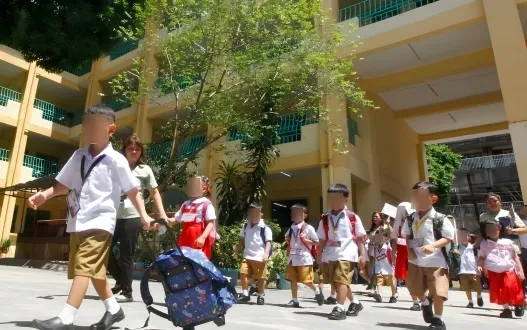
To ensure that schools are fully prepared, DepEd has introduced a nationwide readiness monitoring platform designed to track conditions in public schools before and during School Year 2026-2027.
The initiative allows education authorities to identify shortages and gaps involving classrooms, sanitation facilities, technology resources, instructional materials, and learner support services. Through real-time monitoring, the department hopes to direct resources more efficiently to schools that require immediate assistance.
The readiness platform forms part of the agency’s broader effort to strengthen planning and decision-making processes while enhancing the quality of education delivered in public schools.
Officials believe that better data collection will help improve resource allocation and provide faster responses to challenges encountered by schools throughout the academic year.
Oplan Balik Eskwela Activated for School Year 2026-2027
Alongside enrollment activities, DepEd has activated its annual Oplan Balik Eskwela program to support learners, parents, and educators during the opening of classes.
The nationwide initiative brings together various government agencies tasked with addressing transportation concerns, school safety, public assistance, and enrollment-related inquiries. The program aims to ensure that the start of School Year 2026-2027 remains orderly and free from major disruptions.
Education Secretary Sonny Angara previously emphasized that coordination among government agencies is essential to guaranteeing a safe and efficient return to school for millions of Filipino learners.
New Policies Aim to Improve Emergency Response
Another significant development for School Year 2026-2027 is the implementation of updated guidelines governing class suspensions and alternative learning arrangements during emergencies.
Under new rules issued by DepEd, school heads are given greater authority to coordinate with local governments and education officials when deciding whether classes should be suspended in specific areas affected by weather disturbances, disasters, or other emergencies.
The policy seeks to avoid unnecessary division-wide cancellations by allowing more localized decisions based on actual conditions in affected communities.
Education leaders believe this approach will help minimize disruptions to learning while ensuring student safety remains a top priority.
Security Measures Strengthened for Millions of Learners
As schools reopen, authorities are also stepping up security measures around campuses nationwide.
The Philippine National Police (PNP) has deployed more than 55,000 personnel under its Oplan Balik-Eskwela program to support the opening of classes for School Year 2026-2027. The deployment includes police officers, auxiliary personnel, and community volunteers tasked with maintaining safety around schools and major transportation routes.
Security teams will focus on traffic management, campus patrols, and the operation of assistance desks to help students, parents, and school personnel during the first days of classes.
Authorities said the large-scale deployment demonstrates the government’s commitment to providing a secure environment for learners and educators throughout the country.
Education Reforms to Benefit Millions of Students
Beyond enrollment and school opening preparations, DepEd is also rolling out several reforms designed to improve educational outcomes during School Year 2026-2027.
Among the initiatives are adjustments to the school calendar, enhancements to learning continuity programs, revisions to lesson planning strategies, updates to assessment policies, and the continued implementation of the strengthened senior high school curriculum.
These reforms are expected to benefit more than 26 million students and hundreds of thousands of teachers nationwide as the education sector continues to address learning gaps and modernize classroom instruction.
Education experts have noted that sustained improvements in curriculum delivery, classroom resources, and teacher support will play a crucial role in raising student performance and preparing learners for future challenges.
Looking Ahead
With enrollment approaching 26 million and classes ready to begin, School Year 2026-2027 is shaping up to be one of the largest academic periods in the country’s education system.
DepEd remains focused on ensuring that schools are equipped, teachers are supported, and learners receive the resources necessary to succeed. The combination of expanded monitoring systems, updated emergency policies, nationwide readiness programs, and enhanced security measures reflects the government’s broader commitment to strengthening Philippine education.
As millions of students return to classrooms, the success of School Year 2026-2027 will depend not only on enrollment numbers but also on the collective efforts of educators, parents, government agencies, and communities working together to provide a safe, effective, and inclusive learning environment for every Filipino learner.
For more news and updates, visit Metro Balita Ph.