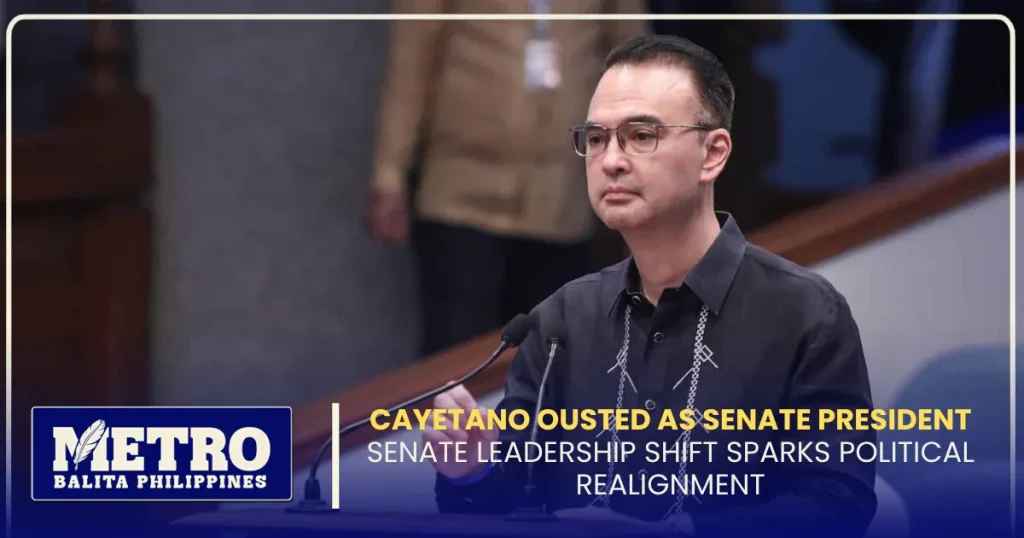
A major political development unfolded in the Philippine Senate after Senator Alan Peter Cayetano was removed from his position as Senate President, triggering fresh discussions about stability and leadership dynamics inside the upper chamber. The sudden transition, widely described as Cayetano ousted as Senate president, has quickly become one of the most talked-about political events in the country.
The phrase Cayetano ousted as Senate president has dominated political conversations as lawmakers adjust to yet another shift in Senate leadership. The change reflects ongoing tensions among political blocs, with alliances constantly evolving based on legislative priorities and strategic positioning. As a result, the Senate once again finds itself navigating a leadership transition at a crucial moment in national governance.
This development adds to a long pattern of shifting control within the chamber, where leadership positions have historically been influenced by coalition-building and political negotiation.
Cayetano ousted as Senate president amid shifting Senate alliances
The confirmation that Cayetano ousted as Senate president signals a significant reshaping of Senate leadership dynamics. Lawmakers moved to reorganize the chamber’s top post after a series of discussions and political negotiations among major blocs.
According to legislative insiders, the decision was not sudden but the result of gradual weakening support from key senators who had previously backed Cayetano’s leadership. As alliances shifted, a new majority emerged, paving the way for another change in Senate control.
The Senate presidency, one of the most powerful positions in the Philippine government, is often dependent on coalition strength rather than fixed party alignment. This makes it highly vulnerable to political shifts, as seen in the latest development involving Cayetano ousted as Senate president.
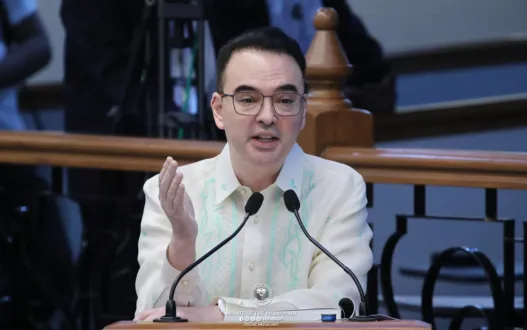
Political instability behind Cayetano ousted as Senate president
The situation described as Cayetano ousted as Senate president highlights the continuing instability within the Senate’s leadership structure. Over the years, the chamber has experienced multiple changes in presidency due to internal disagreements and realigned support blocs.
In this case, political observers point to several contributing factors:
- Changing loyalty among majority senators
- Competing political agendas within the chamber
- Strategic positioning ahead of major legislative decisions
- Influence of broader national political rivalries
These elements combined created conditions where Cayetano’s leadership became increasingly difficult to sustain. The result was another leadership turnover that reshaped the Senate’s power structure once again.
Cayetano ousted as Senate president following coalition breakdown
The development of Cayetano ousted as Senate president followed what analysts describe as a breakdown in coalition unity. Initially, Cayetano’s rise to the Senate presidency was made possible through a carefully built alliance of senators from different political groups.
However, such alliances in the Philippine Senate are often fluid. As policy disagreements emerged and competing priorities surfaced, support for the leadership began to weaken. Eventually, this shift in numbers led to the formation of a new majority bloc capable of installing a different Senate leader.
This type of leadership change is not uncommon in the upper chamber, where political flexibility often determines governance outcomes.
Senate leadership transition and legislative impact
With Cayetano ousted as Senate president, attention now turns to the impact of this leadership transition on the Senate’s legislative agenda. The Senate plays a critical role in shaping national policy, passing laws, and reviewing key government measures.
Whenever leadership changes occur, several challenges often follow:
- Temporary delays in committee work
- Reorganization of Senate committees
- Adjustments in legislative priorities
- Possible slowdown in bill deliberations
Political analysts warn that frequent leadership turnover can reduce legislative efficiency, especially when the chamber is dealing with urgent national concerns. The change involving Cayetano ousted as Senate president raises questions about how quickly the Senate can regain stability.
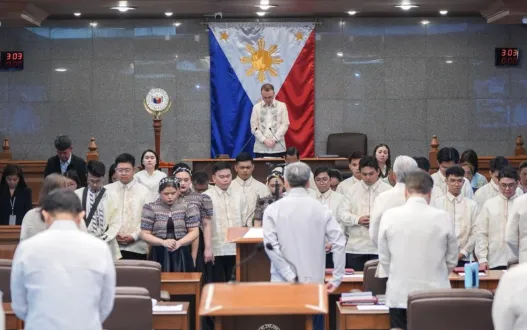
Cayetano ousted as Senate president and the role of Senate blocs
One of the key reasons behind Cayetano ousted as Senate president is the influence of Senate blocs, which function as informal political groupings rather than strict party organizations.
These blocs often shift depending on:
- Legislative priorities
- Political negotiations
- Executive-legislative relationships
- Personal alliances among senators
Because of this structure, the Senate presidency is rarely fixed for long periods. Instead, it depends heavily on maintaining a working majority. Once that majority dissolves or realigns, leadership changes often follow.
In Cayetano’s case, the emergence of a new coalition proved decisive in altering the chamber’s leadership direction.
How Cayetano ousted as Senate president affects governance stability
The repeated references to Cayetano ousted as Senate president reflect broader concerns about governance stability in the Philippines. The Senate is a key institution in the country’s democratic system, responsible for reviewing legislation and serving as a check on executive power.
When leadership changes frequently, it can lead to:
- Reduced policy continuity
- Delays in long-term legislative planning
- Uncertainty among government agencies
- Increased political tension within Congress
Despite these concerns, Senate officials maintain that institutional processes remain intact and that the chamber continues to function normally even amid leadership transitions.
Still, the political signal sent by Cayetano ousted as Senate president is one of a shifting and highly competitive legislative environment.
Reaction to Cayetano ousted as Senate president from political observers
The development labeled as Cayetano ousted as Senate president has drawn varied reactions from political analysts and observers. Some see it as a natural outcome of a dynamic political system where leadership depends on majority support at any given time.
Others, however, view the repeated changes in Senate leadership as a sign of deeper structural instability within the country’s legislative politics.
Key reactions include:
- Concerns about weakening institutional continuity
- Recognition of normal parliamentary realignment
- Debate over the role of political parties in the Senate
- Calls for stronger coalition discipline
These differing perspectives highlight the complexity of interpreting Senate leadership shifts in a system where alliances are constantly evolving.
What comes next after Cayetano ousted as Senate president
Following Cayetano ousted as Senate president, the Senate is expected to proceed with the election of a new leader and the reorganization of its internal structure. This includes committee assignments and recalibration of the majority bloc.
Possible next steps include:
- Selection of a new Senate President
- Redistribution of committee leadership roles
- Review of pending legislative priorities
- Formation of a more stable majority coalition
Despite the political uncertainty, the Senate is expected to continue fulfilling its constitutional responsibilities without interruption.
The key challenge moving forward will be ensuring that leadership changes do not disrupt essential legislative work.
Final outlook on Cayetano ousted as Senate president
The political event described as Cayetano ousted as Senate president underscores the fluid nature of leadership in the Philippine Senate. It reflects a system where alliances shift quickly and where institutional leadership depends heavily on political consensus among senators.
While such changes are part of the legislative process, they also raise important questions about stability, continuity, and governance efficiency. As the Senate adjusts once again to a new leadership structure, attention now turns to whether this transition will bring greater stability or simply continue a cycle of political reshuffling.
For more news and updates, visit Metro Balita Ph.