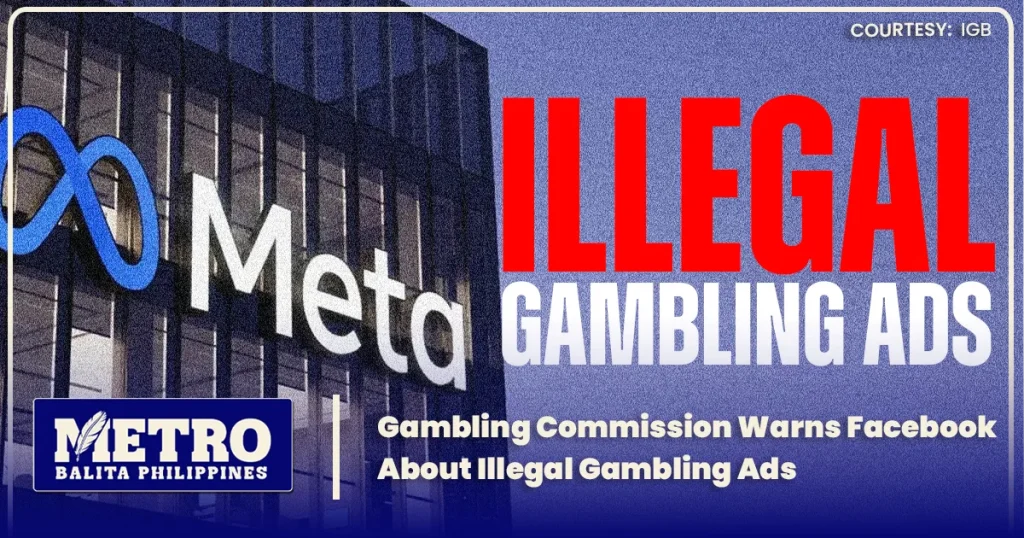
The UK Gambling Commission has issued a strong warning to Facebook Meta after discovering that illegal gambling advertisements continue to appear on the platform. According to the regulator, these ads promote gambling websites that are not licensed and do not follow UK gambling laws. The issue has raised serious concerns about user safety and the role of major social media companies in controlling harmful advertising.
The warning reflects growing frustration from regulators who believe Facebook and its parent company Meta are not doing enough to stop illegal gambling operators from reaching users through paid ads.
Regulator Raises Concerns at ICE 2026

The issue was publicly addressed by Tim Miller, executive director of the Gambling Commission, during a session at ICE 2026 in Barcelona. Miller criticized Meta’s approach to advertising, saying the company has shown a lack of strong action in helping tackle illegal gambling activity on its platforms, including Facebook.
Miller explained that one of the regulator’s biggest concerns is how easily illegal gambling ads continue to pass through Meta’s systems. He said this shows weaknesses in ad checks and enforcement, especially for content linked to unlicensed gambling websites.
During his talk, Miller also pointed out that many of the gambling sites heavily promoted in Facebook ads are not connected to GamStop, the UK’s national self-exclusion program. This means players who have already chosen to block themselves from gambling can still access and gamble on these sites, which directly undermines public protection efforts.
Why Illegal Gambling Ads Are a Serious Issue
Illegal gambling ads pose major risks, especially when they appear on a large platform like Facebook. The Gambling Commission warned that these ads expose users to unsafe gambling environments and weaken existing safeguards.
Main risks highlighted by the regulator include:
- Promotion of gambling sites that are not licensed or regulated
- No protection for users’ money or personal data
- Easy access for vulnerable or self-excluded players
- Gambling operators that avoid fairness and safety rules
Because Facebook reaches millions of users every day, even a small number of illegal ads can affect a wide audience. Regulators believe this makes stronger prevention essential.
Problems With Facebook’s Advertising Controls
The Gambling Commission has questioned how Facebook reviews and approves gambling advertisements. According to the regulator, the fact that illegal ads can be easily found suggests that ad screening systems are not strict enough.
Another concern is that Facebook often relies on users to report illegal ads. Regulators argue that this approach shifts responsibility away from the platform and onto the public. They believe illegal gambling ads should be blocked before they ever appear.
Miller’s comments at ICE 2026 made it clear that regulators expect Facebook to take proactive responsibility, not just react after complaints are made.
Facebook’s Response and Regulator Expectations
Meta has stated in the past that it does not allow illegal gambling ads and removes them once identified. However, the Gambling Commission believes this response is not enough to protect users.
Regulators want Facebook to improve how it checks advertisers, verify gambling licenses more carefully, and stop illegal ads before they go live. Without these changes, the problem is likely to continue.
Possible Impact on Facebook and Online Advertising
The public warning from the Gambling Commission could lead to stricter oversight of Facebook’s advertising systems. Regulators may push for tougher rules that require platforms to actively prevent illegal gambling ads rather than rely on reports.
For Facebook, this could mean stronger advertiser verification, tighter controls on gambling promotions, and closer cooperation with regulators. Failure to act may lead to further warnings or regulatory action.
A Broader Issue of Online Responsibility
This issue highlights a wider debate about responsibility in online advertising. Social media platforms earn significant revenue from ads, but regulators argue they must also protect users from harm.
Gambling ads are especially sensitive because of addiction risks and financial loss. When illegal operators can advertise freely on Facebook, it becomes harder to protect vulnerable users and enforce gambling safeguards.
Conclusion
The warning from the Gambling Commission sends a clear message to Facebook: allowing illegal gambling ads is unacceptable. Regulators expect stronger action, better systems, and real accountability.
As pressure grows, Facebook may be forced to improve its advertising controls and take greater responsibility for the content it allows. This case serves as an important reminder that public safety must come before profit. For continued updates and clear reporting on this issue, follow Metro Balita Ph.