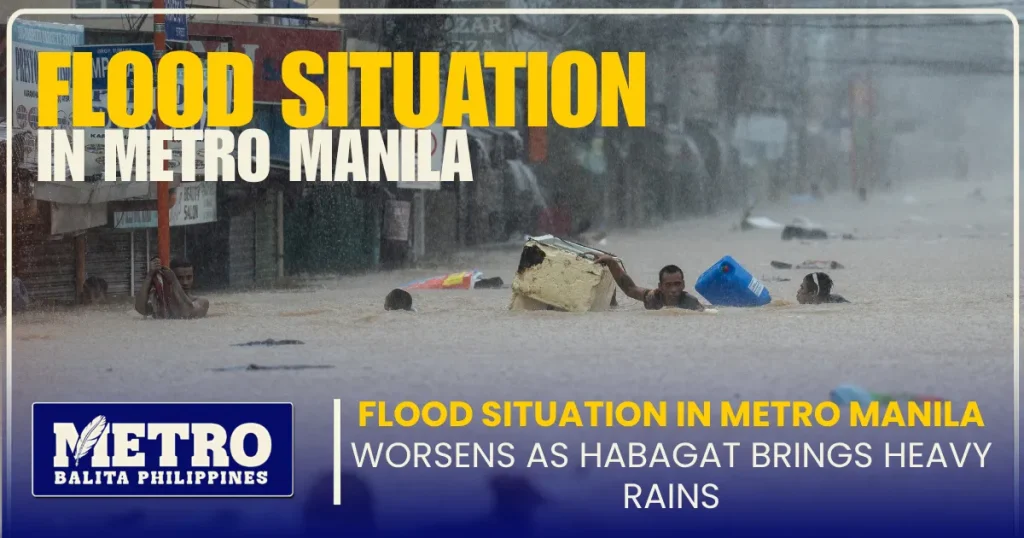
The flood situation in Metro Manila remained a major concern on Sunday, August 30, 2026, as persistent rains from the Southwest Monsoon, locally known as Habagat, continued to affect the National Capital Region. Several roads and communities were reported flooded, while authorities intensified monitoring and response operations in areas vulnerable to rising water levels.
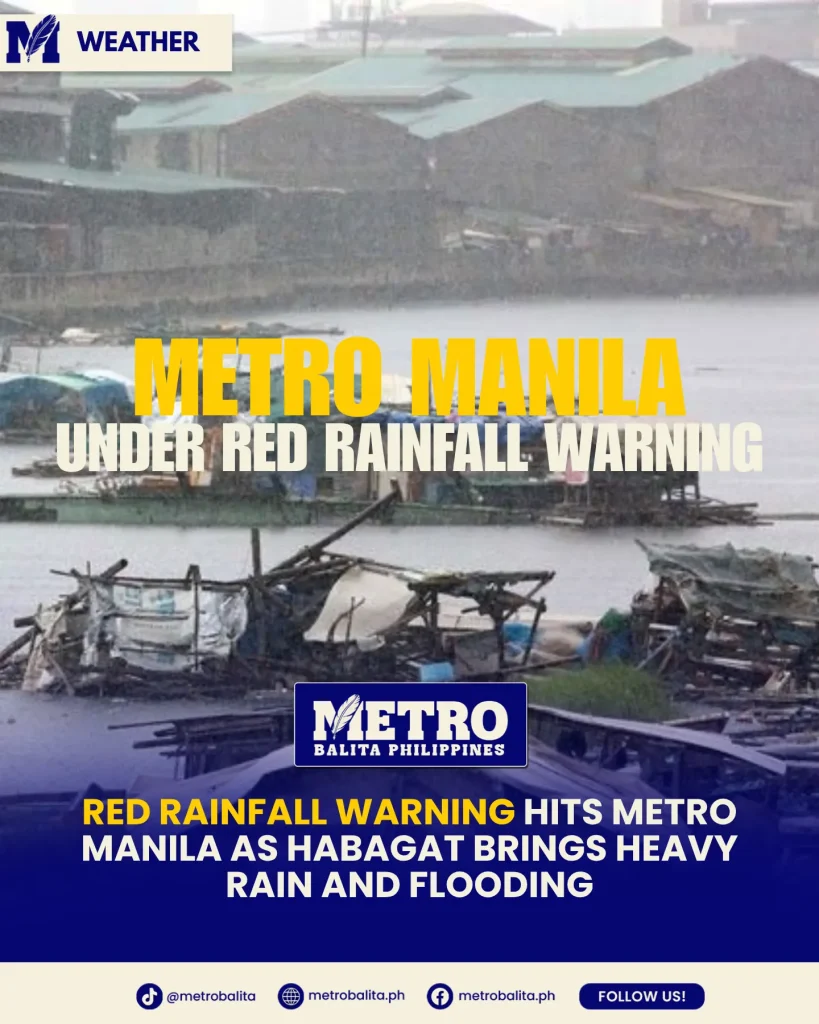
The latest developments came as PAGASA issued a red rainfall warning for Metro Manila and several areas in Luzon, warning residents of possible serious flooding, particularly in low-lying and flood-prone communities. The warning was issued at 12:10 p.m. on Sunday as heavy rainfall continued across the region.
The flood situation in Metro Manila has been developing after several days of unusually heavy monsoon rainfall. PAGASA data cited by the Metropolitan Manila Development Authority showed that Metro Manila received 143.5 millimeters of rain in just nine hours on Saturday, August 29, between 9 a.m. and 6 p.m.
With more rain expected, residents are being urged to remain alert, especially those living near rivers, creeks, waterways and other areas that regularly experience flooding.
Flood Situation in Metro Manila: Several Areas Affected
The flood situation in Metro Manila was particularly noticeable in several northern and eastern portions of the capital region.
According to reports from the MMDA, local government units and media monitoring teams, flooding was reported in parts of Malabon, Valenzuela, Quezon City and Manila.
In Malabon City, several communities were experiencing significant flooding on Sunday morning. Areas including San Agustin, Santulan, Tañong, Panghulo and Tinajeros were among those affected. Some locations reportedly had floodwaters measuring several inches deep, making certain roads difficult or impossible for smaller vehicles to pass.
In Valenzuela City, portions of MacArthur Highway in Barangay Dalandanan were also affected by floodwaters. The flooding created additional difficulties for motorists navigating one of the important road corridors in the northern part of Metro Manila.
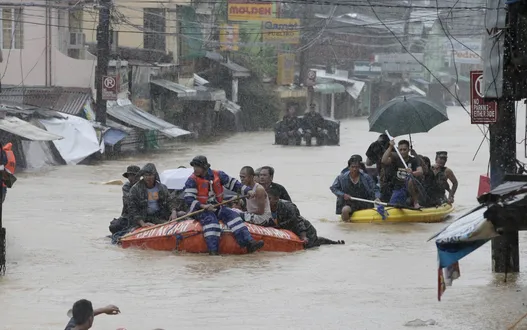
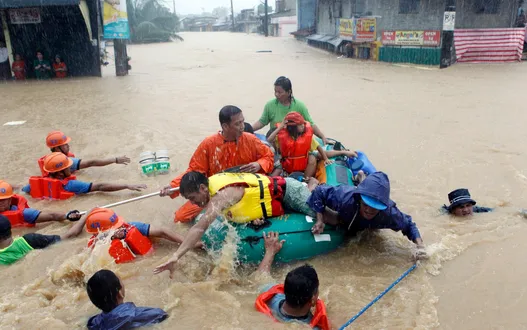
Quezon City also faced serious flooding in some communities. Barangay Bagong Silangan was among the areas heavily affected after the Marikina River reached the third alarm. Residents in flooded portions used boats to move around, while thousands sought temporary shelter at an evacuation center.
The flood situation in Metro Manila also affected portions of Manila, where several major roads were reported to have accumulated floodwaters.
Why Is Metro Manila Experiencing Severe Flooding?
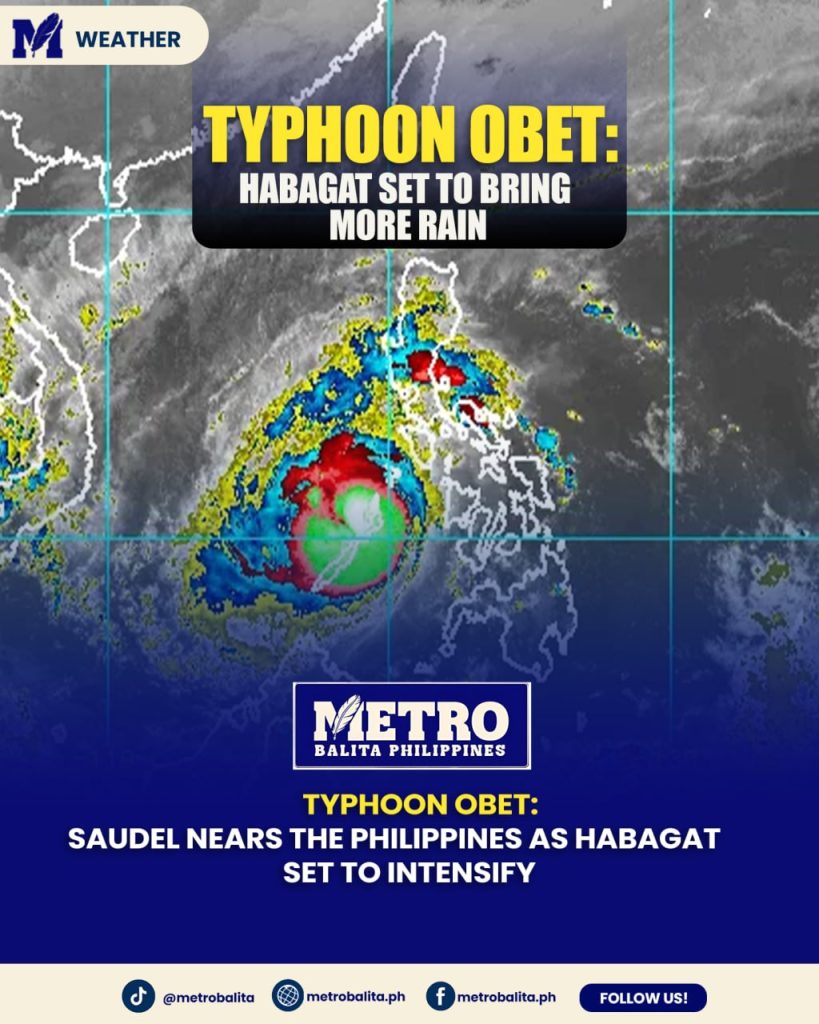
The main weather system behind the flood situation in Metro Manila is the Southwest Monsoon or Habagat.
Habagat has been bringing persistent rains over Luzon and the Visayas, with Metro Manila among the areas experiencing repeated periods of heavy rainfall. PAGASA said the monsoon would continue affecting parts of Luzon and the Visayas on Sunday.
The situation has been worsened by the accumulated rainfall from previous days. PAGASA reported that rainfall recorded over a two-day period reached 246.9 millimeters, with the amount recorded on Saturday exceeding the rainfall measured on Friday.
This means that the ground, drainage systems and waterways have already been under pressure from continuous rainfall.
When additional heavy rain falls over a relatively short period, drainage systems can quickly become overwhelmed. Water levels in rivers and creeks may also rise rapidly, increasing the possibility of flash flooding in communities located near waterways.
Rainfall Warning Signals Serious Flood Risk
The flood situation in Metro Manila became more concerning after PAGASA raised a red rainfall warning over the region.
A red warning indicates that serious flooding is possible, particularly in flood-prone and low-lying areas. Under this level of warning, residents are advised to take immediate precautions and monitor instructions from local authorities.
PAGASA’s rainfall warning on Sunday also covered several provinces surrounding Metro Manila, including Zambales, Bataan, Bulacan, Pampanga, Cavite and parts of Rizal and Batangas.
The broad coverage of the warning highlights how widespread the monsoon rainfall has become across parts of Luzon.
For Metro Manila residents, the warning is particularly important because heavy rain in surrounding areas can also contribute to rising water levels in major waterways connected to the capital.
Laguna de Bay Reaches Critical Water Level
Another factor being closely watched in the flood situation in Metro Manila is the rising water level of Laguna de Bay.
The Laguna Lake Development Authority reported that the lake reached 12.58 meters at 3 p.m. on Saturday, August 29. This was above its critical level of 12.50 meters.
The development is significant because Laguna de Bay is connected to the wider drainage and river systems of the region. Continued rainfall could put additional pressure on communities located around the lake and nearby waterways.
Authorities are therefore monitoring the lake’s water level alongside river levels and rainfall conditions.
Residents in vulnerable communities are being reminded not to wait until floodwaters become dangerous before preparing to evacuate.
MMDA Deploys Flood Response Teams
Authorities have also stepped up efforts to manage the flood situation in Metro Manila.
The MMDA deployed mobile pumps in several low-lying areas affected by flooding. Its flood control teams and Metro Parkways Clearing Group were also mobilized to respond to flooded locations and remove garbage that could obstruct drainage inlets.
These operations are important because blocked drainage systems can slow the movement of floodwaters, particularly during periods of intense rainfall.
Flood control teams are also expected to continue monitoring roads and other areas where water can accumulate quickly.
The response is taking place alongside efforts by local governments to assist residents in affected communities.
Residents Evacuate as Water Levels Rise
The flood situation in Metro Manila has already forced some residents to leave their homes temporarily.
In Quezon City’s Bagong Silangan, nearly 3,000 people were reportedly staying at an evacuation center during the early hours of Sunday after flooding affected portions of the barangay.
Some residents brought their pets with them while seeking shelter, showing how families are trying to protect both household members and animals during the emergency.
The development demonstrates how quickly flooding can disrupt normal life when river levels rise.
For communities located near rivers, evacuation decisions can become especially urgent because water levels may increase faster than expected during continuous rainfall.
Roads and Transportation Face Disruptions
The flood situation in Metro Manila has also affected transportation.
Flooded roads can slow down traffic, force motorists to take alternative routes and make certain streets impassable to smaller vehicles. The problem becomes more serious when flooding occurs along major roads used by thousands of commuters every day.
Several areas in Metro Manila were monitored for flooding on Sunday, with authorities providing updates on road conditions and vehicle accessibility.
Motorists are advised to avoid flooded roads whenever possible. Driving through deep floodwaters can damage vehicles and may put passengers at risk, especially when the depth or condition of the road underneath the water cannot be determined.
Commuters are likewise encouraged to check local government and traffic advisories before traveling.
What Residents Should Do During the Flooding
As the flood situation in Metro Manila continues to change, residents should prioritize safety over convenience.
People living in flood-prone communities should monitor official weather and emergency announcements and prepare essential items in case evacuation becomes necessary.
Important documents, medicines, drinking water, food, flashlights, power banks and other emergency supplies should be kept in waterproof containers or bags.
Residents should also avoid walking or driving through moving floodwaters. Even water that appears shallow can hide open manholes, damaged roads, electrical hazards or other dangerous objects.
Families with children, older adults and pets should make evacuation plans ahead of time rather than waiting until floodwaters become difficult to cross.
More Rain Expected as Habagat Continues
The flood situation in Metro Manila may remain a concern because Habagat is expected to continue affecting parts of Luzon.
PAGASA has warned of continued heavy rainfall in several areas, while the red rainfall warning issued on Sunday underscores the possibility of serious flooding in vulnerable locations.
The continuing rainfall also means that rivers, lakes and drainage systems will remain under pressure.
Residents should therefore continue monitoring updates even if floodwaters temporarily recede. Flood conditions can change rapidly when another period of intense rain moves over the area.
Authorities Continue Monitoring Flood-Prone Communities
The flood situation in Metro Manila remains closely monitored by government agencies and local authorities as rainfall continues.
The MMDA is maintaining flood-control operations, while local governments are coordinating evacuation and emergency response efforts in affected communities.
PAGASA’s rainfall warnings and flood monitoring information remain important sources for residents trying to assess changing weather and water conditions.
The current situation also serves as another reminder of Metro Manila’s vulnerability to heavy monsoon rainfall. While drainage improvements and flood-control projects can reduce risks, extreme and prolonged rainfall can still overwhelm urban waterways and drainage networks.
Residents Urged to Stay Alert
For now, the flood situation in Metro Manila remains a developing weather emergency rather than a situation that residents can consider fully resolved.
The combination of persistent Habagat rains, elevated river levels, saturated ground and the rising water level of Laguna de Bay means some communities remain vulnerable to additional flooding.
Authorities continue to advise residents to stay updated through official channels and follow evacuation instructions when issued.
As the rainy season continues, preparedness will remain essential. Residents should avoid unnecessary travel during periods of intense rainfall and should always put personal safety ahead of attempting to cross flooded roads.
The latest flood situation in Metro Manila shows how quickly conditions can change when heavy monsoon rains persist. With more rainfall possible, residents across the capital region are encouraged to remain vigilant, monitor official warnings and cooperate with local authorities throughout the ongoing weather disturbance.
For the latest developments, residents should continue checking official updates from PAGASA, the MMDA and their respective local government units, particularly before traveling or returning to flood-affected communities.
Metro Balita Ph continues to deliver essential weather information.