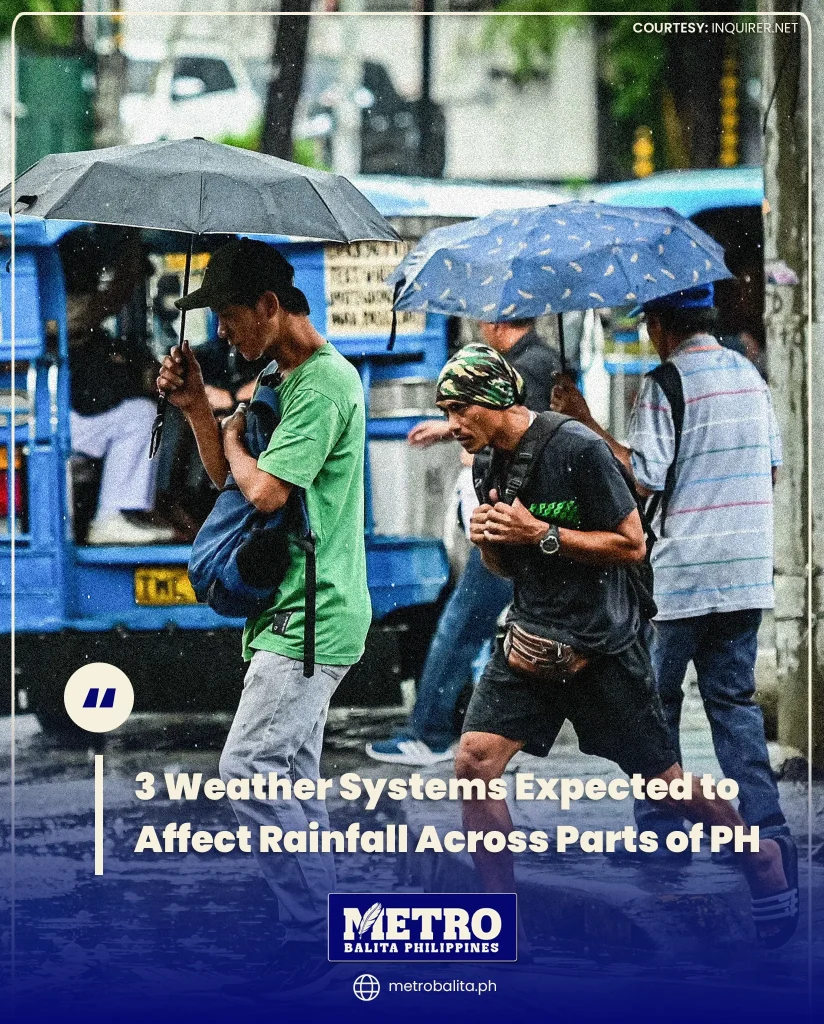
Weather conditions across the Philippines are expected to remain unsettled as 3 weather systems continue to influence rainfall in different parts of the country. According to recent monitoring, these systems may bring scattered to widespread rains, cloudy skies, and occasional thunderstorms over Luzon, Visayas, and Mindanao. While no strong tropical cyclone is present, the combined effects of these weather systems are enough to cause disruptions, especially in areas already experiencing frequent rain.
Understanding the situation is important, as prolonged or repeated rainfall can increase the risk of flooding and landslides, particularly in low-lying and mountainous communities.
Overview of the Current Weather Situation
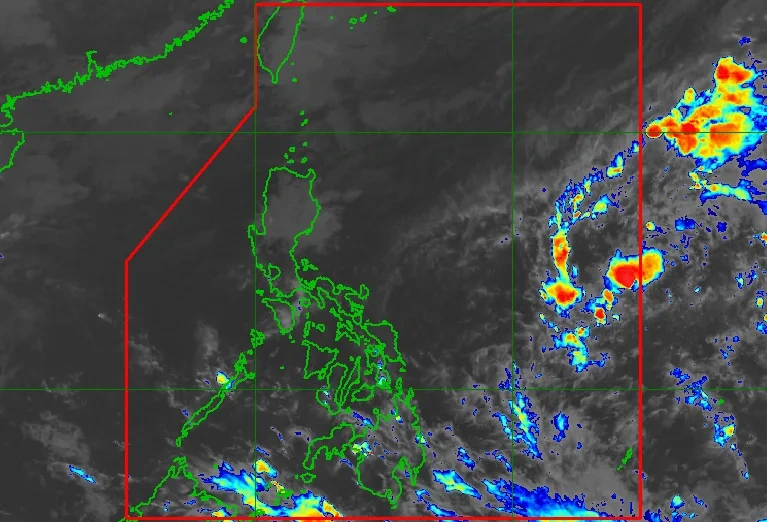
The current weather pattern affecting the country is being shaped by three main systems acting at the same time. These include the southwest monsoon, a low pressure area, and localized thunderstorms. Together, these 3 weather systems are responsible for the unstable conditions being observed in several regions.
Weather authorities continue to closely monitor these systems, as any change in their strength or interaction may affect the intensity and distribution of rainfall in the coming days.
Southwest Monsoon Bringing Moist Air
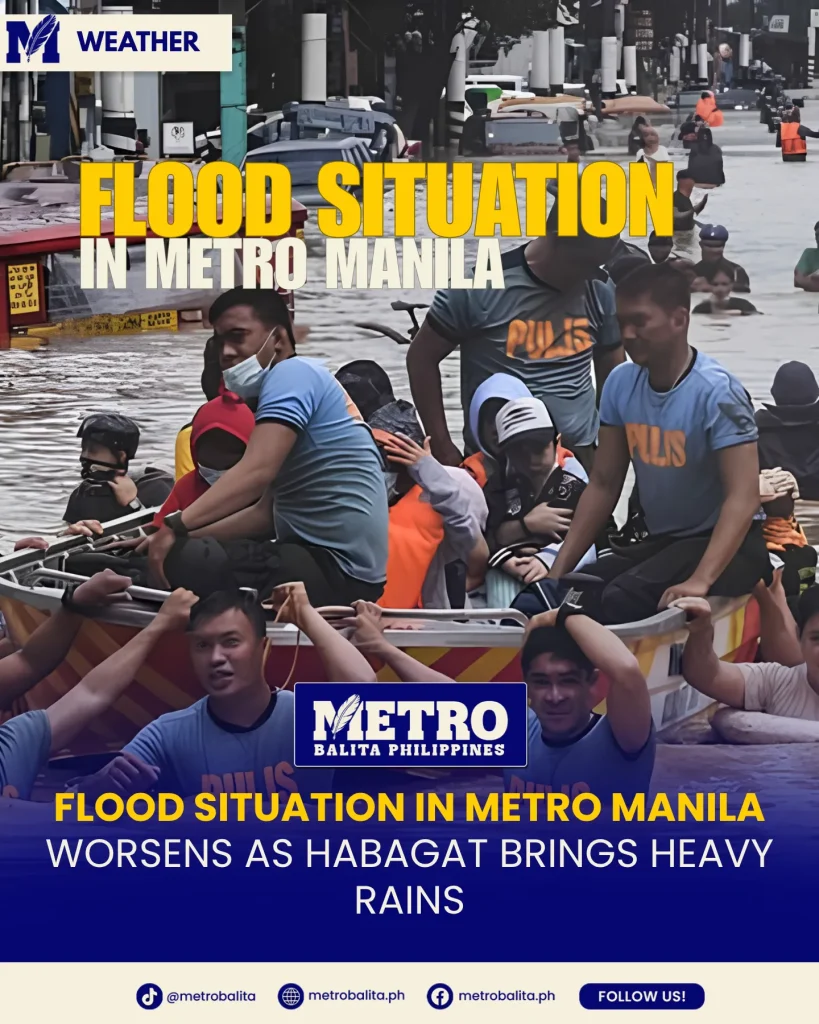
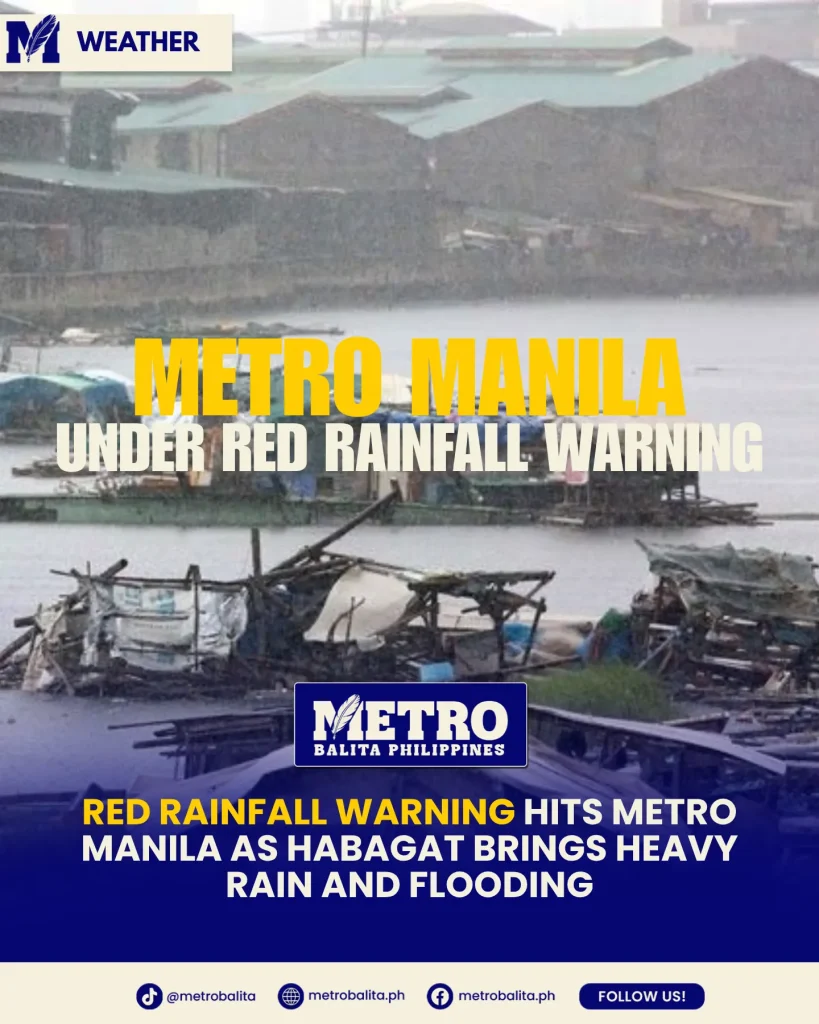
The southwest monsoon, locally known as habagat, remains one of the primary drivers of rainfall. This seasonal wind system carries warm and moist air from surrounding seas toward the western sections of the country, resulting in cloud formation and frequent rain showers.
Areas along western Luzon and parts of the Visayas are among the most affected by the southwest monsoon. Residents in these regions may experience periods of moderate to heavy rain, especially during the afternoon and evening. While the monsoon is a normal seasonal feature, its interaction with other systems can enhance rainfall and increase the chances of flooding.
Low Pressure Area Influencing Cloud Formation
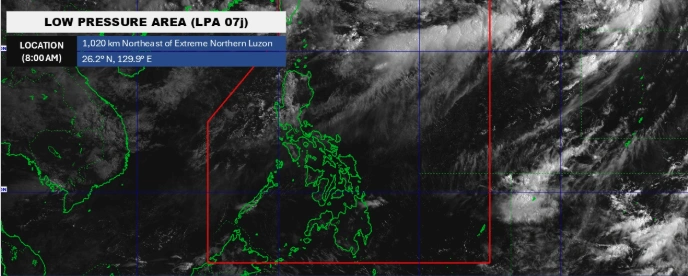
Another system affecting current conditions is a low pressure area located within the Philippine Area of Responsibility. Although it is not expected to develop into a tropical storm, its presence contributes to cloudy skies and sustained rain activity.
Low pressure areas can intensify rainfall when combined with monsoon winds. As part of the 3 weather systems being monitored, this disturbance remains a concern because it may prolong rainy conditions, especially in regions already experiencing saturated ground.
Localized Thunderstorms Adding to Rainfall
Localized thunderstorms are also playing a role in the current weather situation. These storms usually develop due to daytime heating and atmospheric instability, particularly during the afternoon.
While often short in duration, localized thunderstorms can bring sudden heavy downpours, gusty winds, and lightning. In urban areas, this may lead to temporary flooding, while in upland and mountainous areas, there is an increased risk of landslides. These thunderstorms complete the set of 3 weather systems currently affecting rainfall across the country.
Areas Likely to Be Affected
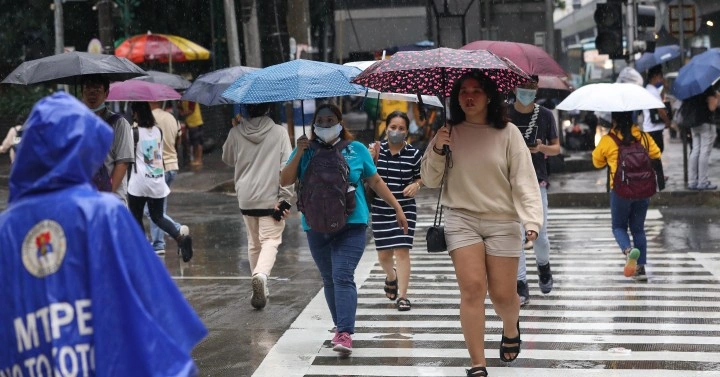
Based on recent assessments, western Luzon, parts of the Visayas, and several areas in Mindanao may continue to experience intermittent rains. Other regions may see isolated rain showers, particularly later in the day.
Residents in flood-prone and landslide-prone areas are advised to remain cautious. Even brief periods of heavy rain can cause water accumulation, especially in communities with poor drainage systems.
Possible Impacts on Daily Life
The effects of these 3 weather systems may be felt in daily activities such as transportation, outdoor work, and school operations. Slippery roads, reduced visibility, and localized flooding are possible during rainy periods.
Fisherfolk and small boat operators are also encouraged to stay alert, as monsoon-enhanced winds may lead to rough sea conditions in certain coastal areas. While no severe warnings are currently in place, changing weather patterns can still pose risks at sea.
Importance of Staying Updated
Staying informed remains essential during periods of unstable weather. Agencies like PAGASA regularly issue forecasts, rainfall warnings, and advisories to help the public prepare. Monitoring official updates allows communities to respond promptly if conditions worsen.
Preparedness can be as simple as planning travel carefully, avoiding flooded roads, and staying indoors during heavy rain or thunderstorms.
A Reminder on Weather Awareness
The presence of multiple weather systems highlights how rainfall can occur even without a major storm. These 3 weather systems show how different atmospheric factors can combine to affect large portions of the country.
Remaining alert and informed can help reduce risks and disruptions during the rainy period. For continued updates and clear reports on national weather conditions, stay tuned to Metro Balita Ph.