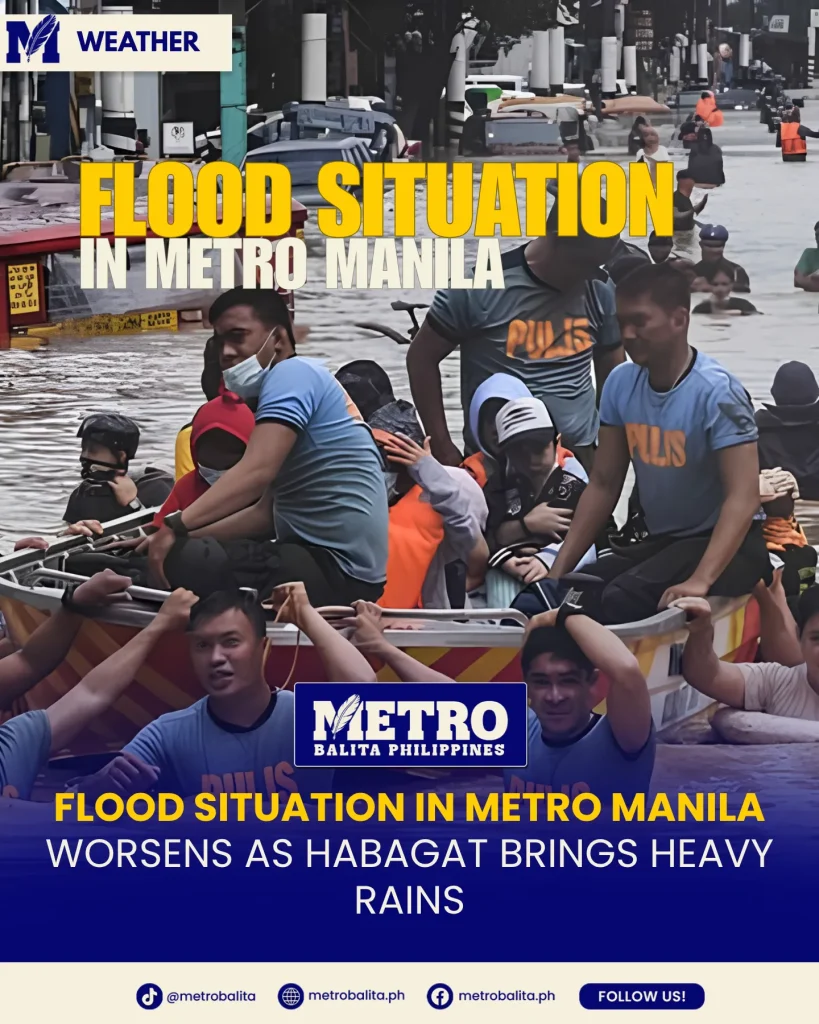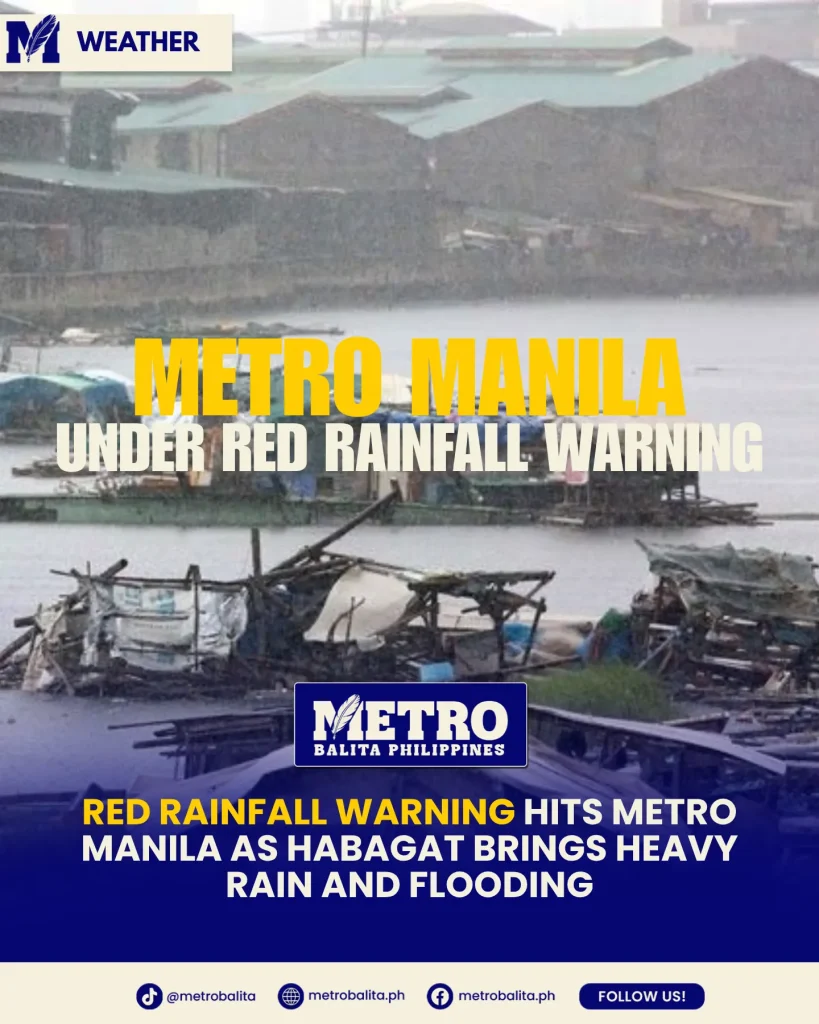
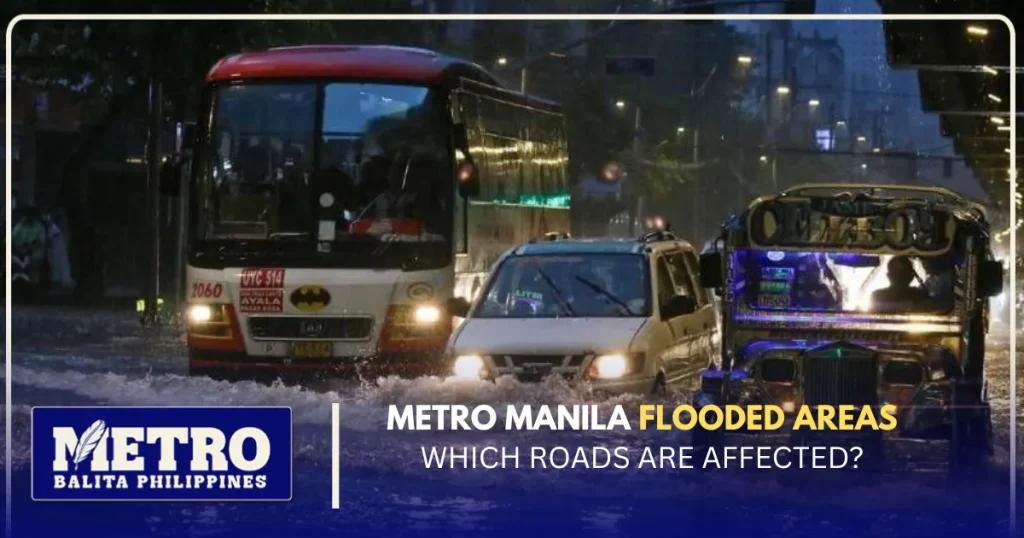
Heavy rain once again caused flooding in several parts of Metro Manila, affecting travel and daily activities for many residents. Following hours of rainfall, authorities monitored roads where water levels quickly rose and slowed vehicle movement. While some areas remained passable, several roads experienced traffic buildup due to standing water and reduced visibility.
Flooded areas remain a recurring concern in Metro Manila, especially during the rainy season. Even moderate rain can trigger flooding in roads with drainage problems and low-lying sections. For commuters and motorists, sudden flooding often means delayed trips, longer travel hours, and changes in transportation routes.
Rain and Thunderstorms Trigger Flooding in Metro Manila
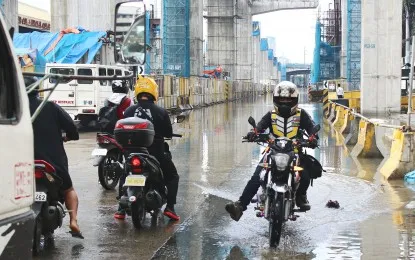
Floods hit some roads in Metro Manila amid scattered rains and thunderstorms on Monday morning, according to the Metropolitan Manila Development Authority (MMDA). As early as 7 a.m., authorities monitored several roads affected by rising water levels, causing slower traffic movement and travel disruptions in nearby areas.
Continuous rainfall allowed water to build up in selected streets and intersections, forcing motorists to drive more carefully while commuters faced possible delays. Although many roads remained passable, some locations recorded gutter-deep to knee-deep flooding that affected normal traffic flow.
Roads Identified in Flooded Areas
Based on monitoring reports, several roads were affected by flooding during the rainfall.
Among the reported Flooded areas were:
- Roxas Street
- Maria Clara Street near Araneta Avenue
- Sto. Domingo Avenue
- Calamba Street
- N.S. Amoranto Sr. Street
- C3 NLEX Connector
These roads experienced varying flood levels. Some remained open to vehicles while others saw slower traffic because drivers had to move carefully through waterlogged sections.
The condition of these roads may improve once rainfall weakens and drainage systems begin clearing accumulated water. However, authorities continue to remind motorists that conditions may change quickly during continuing rain.
Why Flooded Areas Continue to Happen
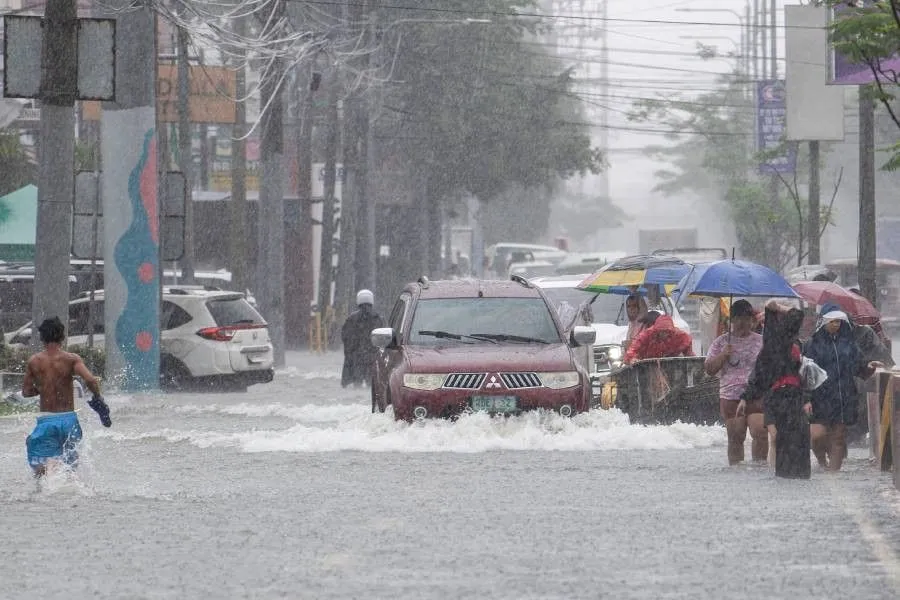
Flooding is not a new issue in Metro Manila. Many roads and communities experience the same problem whenever strong rain affects the region. Experts point to several reasons why Flooded areas continue appearing despite flood-control efforts.
Some common causes include:
- Heavy and continuous rainfall
- Clogged drainage systems
- Low-lying roads and intersections
- Limited water flow in canals and waterways
- Sudden thunderstorms and weather disturbances
Urban development also affects drainage performance. As Metro Manila becomes more crowded, water runoff may become harder to manage, especially in heavily developed districts.
Garbage and blocked waterways may also worsen flooding. When drainage systems cannot carry water efficiently, even short periods of rain can create temporary flooding.
Because Metro Manila is densely populated, flooding in one area may also affect nearby roads and transport routes. This is why even localized flooding can create widespread traffic problems.
Safety Reminders for Motorists and Commuters
Authorities continue advising the public to stay alert and monitor weather reports before leaving home. Planning travel ahead of time can help avoid inconvenience and dangerous road conditions.
Motorists are reminded to avoid roads with uncertain flood depth. Driving through deep water may damage engines, stall vehicles, or increase accident risks.
Commuters are likewise encouraged to expect delays and consider alternate routes whenever Flooded areas are reported. Allowing extra travel time and checking traffic advisories may help reduce stress during severe weather.
Travel reminders include:
- Check weather and traffic updates
- Avoid deep or fast-moving floodwater
- Prepare alternate travel routes
- Allow extra time for travel
While some flooded roads clear shortly after rainfall ends, authorities continue monitoring conditions across Metro Manila. The situation may still change depending on weather patterns and drainage capacity.
Flooding remains one of the most common weather-related problems affecting Metro Manila. As rain continues to impact parts of the region, public awareness and preparedness remain important to reduce travel risks and avoid unnecessary danger.Metro Balita Ph.