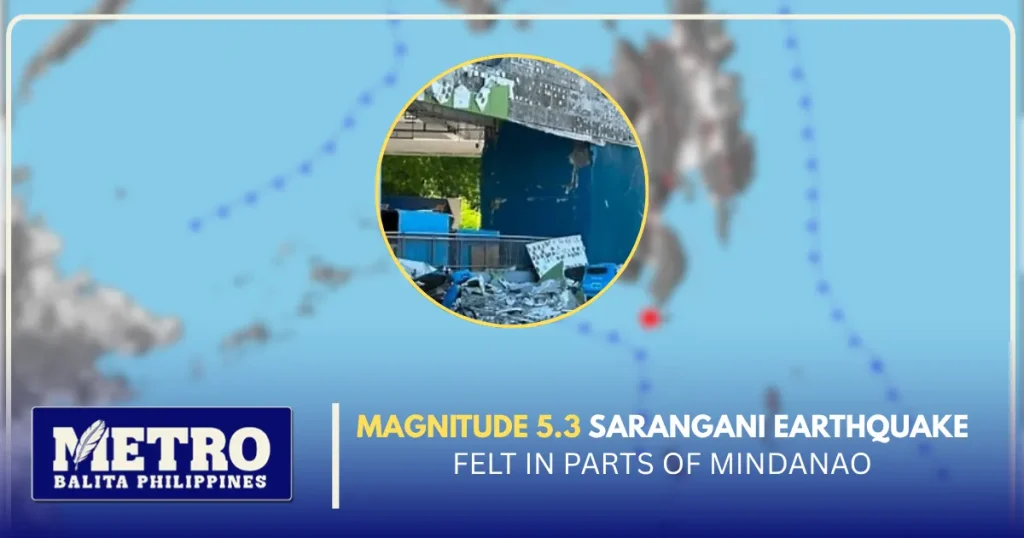
The recent Sarangani Earthquake drew attention across Mindanao after a magnitude 5.3 tremor was recorded by the Philippine Institute of Volcanology and Seismology (PHIVOLCS). The earthquake was felt in several communities, particularly in areas closer to Sarangani and neighboring provinces. Although no major injuries or widespread damage were immediately reported, the event reminded many residents about the importance of staying prepared for sudden seismic activity.
The Philippines regularly experiences earthquakes due to its location along one of the world’s most active seismic zones. As a result, even moderate earthquakes often generate concern among communities, especially when ground shaking is felt across multiple provinces.
PHIVOLCS Records Magnitude 5.3 Tremor Near Sarangani
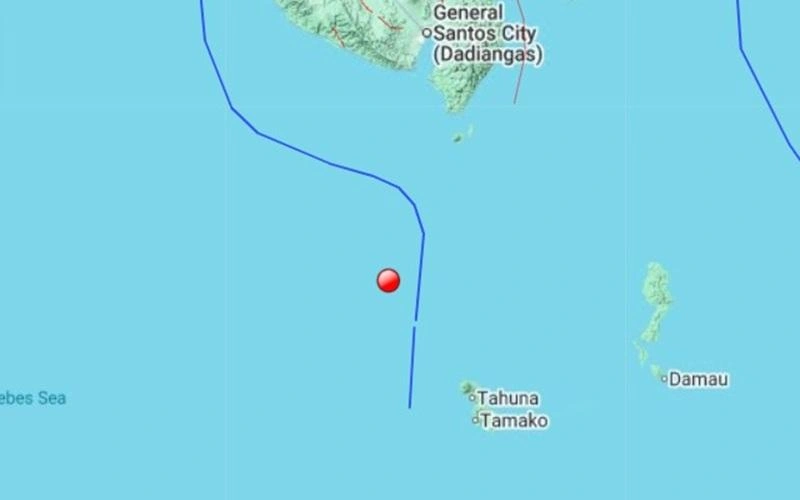
According to PHIVOLCS, the earthquake registered a magnitude of 5.3 and originated near the waters off Sarangani. The tremor occurred at a depth capable of producing noticeable shaking in surrounding areas, prompting residents to briefly leave buildings and monitor official advisories.
Earthquakes of this magnitude are generally capable of being felt over a wide area, particularly in locations with favorable ground conditions that can amplify seismic waves. While the shaking lasted only a short period, many residents reported feeling a sudden movement that caused temporary alarm.
Authorities immediately began monitoring the situation to determine whether the earthquake had caused structural damage or triggered other hazards. Initial assessments, however, did not indicate any significant incidents linked to the tremor.
Communities Across Mindanao Reported Ground Shaking
The Sarangani Earthquake was experienced in various parts of southern Mindanao. The intensity of the shaking differed depending on the distance from the epicenter and the local terrain.
Among the areas that reportedly felt the earthquake were:
- Sarangani Province
- Davao Occidental
- Coastal municipalities near the epicenter
- Several neighboring communities in southern Mindanao
Residents described the shaking as noticeable but relatively brief. In some locations, people paused their activities and moved to safer areas while waiting for the tremor to subside. Offices, homes, and business establishments also conducted precautionary checks following the event.
No Major Damage Reported Following the Earthquake
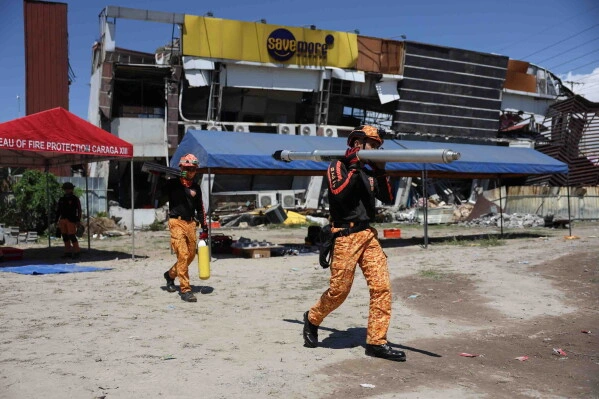
One of the positive developments following the earthquake was the absence of immediate reports involving severe damage or casualties. Local disaster management offices and emergency response teams continued to verify conditions in affected communities while remaining ready to respond if necessary.
Although earthquakes can sometimes result in damaged infrastructure, landslides, or other secondary hazards, initial observations suggested that the magnitude 5.3 tremor did not create major disruptions in the region.
Still, authorities emphasized that inspections would continue to ensure public safety and identify any possible impacts that may not have been immediately visible after the shaking ended.
PHIVOLCS Reminds the Public to Stay Alert
After the earthquake, PHIVOLCS encouraged the public to remain attentive to official updates and avoid relying on unverified information circulating online. The agency explained that aftershocks may occur following a seismic event, although not every earthquake is followed by strong secondary tremors.
Residents were advised to remain calm and informed while monitoring announcements from government agencies and local authorities.
Important reminders from disaster preparedness officials include:
- Follow official advisories and updates.
- Be aware of possible aftershocks.
- Inspect homes and buildings for visible damage.
- Keep emergency supplies accessible.
- Review household evacuation and emergency plans.
Preparedness remains one of the most effective ways to reduce risks associated with earthquakes and other natural disasters.
Why Earthquakes Are Common in Mindanao
Mindanao is located in a region influenced by active fault lines and tectonic plate movements. These geological features make earthquakes a frequent occurrence throughout southern Philippines.
The country itself lies within the Pacific Ring of Fire, an area known for intense seismic and volcanic activity. Because of this location, earthquakes ranging from minor tremors to stronger seismic events are regularly recorded by monitoring agencies.
Experts continue to emphasize the importance of public awareness and disaster readiness, particularly in communities situated near active fault systems. Understanding earthquake risks can help residents respond more effectively whenever seismic activity occurs.
A Reminder of the Importance of Preparedness
The latest Sarangani Earthquake may not have resulted in major damage, but it serves as another reminder that earthquakes can occur without warning. Even moderate tremors can cause concern among communities and highlight the need for preparedness at both the household and community levels.
As authorities continue to monitor the situation, residents are encouraged to stay informed, follow safety guidelines, and remain prepared for possible aftershocks. Awareness and readiness play a vital role in minimizing risks whenever seismic events occur.
For more updates on the Sarangani Earthquake and other important developments across the country, stay connected with Metro Balita Ph , your source for timely and reliable news and community updates.