Anne Curtis once again found herself at the center of a national conversation—not because of a film, endorsement, or television appearance, but because of a deeply personal reflection on governance, leadership, and corruption. While visiting Singapore, Anne Curtis shared a candid post that struck a chord with many Filipinos who have long felt frustrated by the slow pace of reform in the Philippines.
Her words were not rehearsed or politically scripted. Instead, they carried the weight of disappointment, hope, and genuine concern for the country’s future. In just one post, Anne Curtis managed to articulate what many Filipinos quietly think but rarely say out loud.
A Reflection Sparked by a Visit to Singapore

Anne Curtis’ thoughts began during her time in Singapore, where she observed not just the city’s beauty but the systems that allow it to function smoothly. She noted the clean streets, efficient transport, strong infrastructure, and the balance between urban development and green spaces. For her, these were not just signs of progress—they were proof of what disciplined governance can achieve.
Her reflection went beyond surface-level admiration. After reading about Singapore’s history, Anne Curtis pointed out that corruption once existed there as well. What changed, she observed, was leadership and political will. The country’s transformation was fueled by a zero-tolerance policy toward corruption, enforced through real consequences rather than empty promises.
Anne Curtis’ Official Statement in Full
Anne Curtis chose to share her thoughts publicly, posting the following message in its entirety:
“Random thought whilst in Singapore – NAKAKAINGGIT SILA. Upon reading, corruption USED to be widespread until they had leader, Lee Kuan Yew, who had zero tolerance policy for corruption. Cut to this day, Singapore is thriving. A beautifully developed city, smooth roads, a gorgeous airport , proper public transportation, stunning infrastructure and yet I still see green around the city. Although, after reading, the temptation of greed from officials are still there BUT once they are caught they are punished immediately. Paano na tayo Pilipinas? Ano na kaya mangyayari? I pray so hard we will all collectively vote for a leader who will want to fight corruption one day. Sana talaga. Sayang … Pilipinas. We have beautiful mountains, the best beaches and islands in the world (for me) GREED has stolen the opportunity for this country to reach its FULL beautiful potential. ☹️ sana.. Sana talaga one day. Maybe not in my lifetime but I pray for all the future filipinos. But we have to stand up for that now. Haaaaay. Naiiyak ako.”
The raw emotion in Anne Curtis’ words was unmistakable. Her post blended admiration, grief, hope, and urgency—emotions many Filipinos recognize all too well.

Why Anne Curtis’ Words Resonated Nationwide
What made Anne Curtis’ post powerful was not her celebrity status alone, but the way she framed her message. She did not attack specific politicians or promote political affiliations. Instead, she focused on accountability, leadership, and collective responsibility.
Many Filipinos saw their own frustrations reflected in her words. Her comparison highlighted a painful contrast: a country with limited natural resources that thrives because of discipline, versus a resource-rich nation held back by corruption. By putting this into simple, emotional language, Anne Curtis made governance feel personal rather than abstract.
Her post quickly gained traction online, with netizens praising her honesty and courage. Others shared similar sentiments, turning her reflection into a broader discussion about voting wisely, demanding accountability, and refusing to normalize corruption.
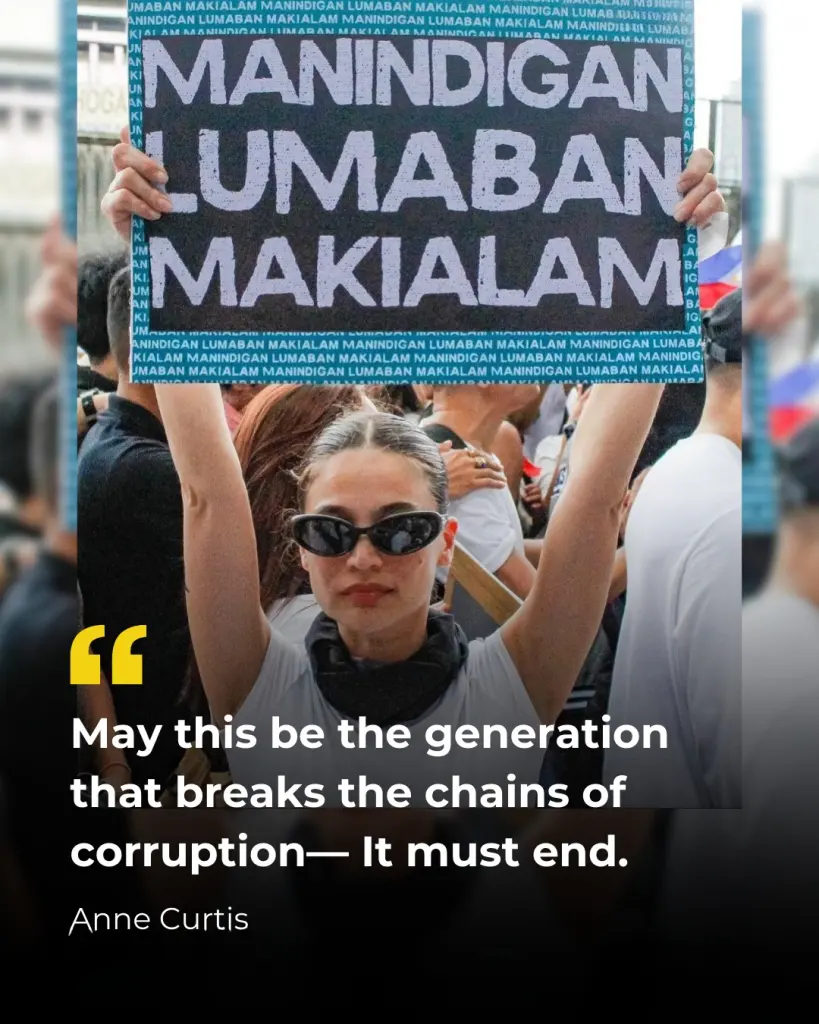
The Role of Public Figures in Civic Conversations
Anne Curtis’ message at X also reignited debate about the role of celebrities in public discourse. While some argue that entertainers should stay out of political topics, her reflection showed how influential voices can encourage thoughtful conversation without inciting division.
Rather than presenting herself as an expert, Anne Curtis spoke as a concerned citizen. This approach made her message relatable and difficult to dismiss. It reminded the public that conversations about governance are not reserved for policymakers alone—they affect everyday life, opportunity, and national dignity.
A Quiet Call for Accountability and Collective Action
At its core, Anne Curtis’ reflection was not about glorifying Singapore or condemning the Philippines. It was about accountability and lost potential. Her words served as a quiet reminder that meaningful change requires more than hope—it requires action, awareness, and collective responsibility from both leaders and citizens.
By expressing pain, envy, and hope in one honest post, Anne Curtis helped reopen an important national conversation. Her message challenged Filipinos to reflect not only on who leads the country, but on what kind of future they are willing to fight for.
As the discussion continues, her words remain a reminder that caring deeply about the nation is not a weakness—it is the first step toward real change. For more stories that connect public voices with national issues, stay updated with Metro Balita Ph.