
The pag-ibig q1 home loans showed strong growth in early 2026 as Pag-IBIG Fund released ₱32.92 billion in home loans from January to March. This is a 9% increase compared to ₱30.22 billion in the same period last year. The increase highlights the agency’s continued effort to help more Filipino workers achieve homeownership through affordable financing options.
This growth also reflects the government’s push to expand housing access across different income levels. With more members applying and qualifying for loans, Pag-IBIG Fund continues to play an important role in making housing more accessible and practical for many families.
Steady Growth in Home Loan Releases
The pag-ibig q1 home loans covered a total of 20,926 homes during the first quarter of 2026. This is higher than the 20,315 homes financed in the same period in 2025. The steady increase shows that more Filipinos are now taking steps toward owning their own homes instead of renting.
The rise in loan releases is also linked to ongoing housing programs supported by the government. These initiatives aim to provide better opportunities for families to secure stable housing while also supporting economic activity in the construction sector.
Support for Low-Income Members
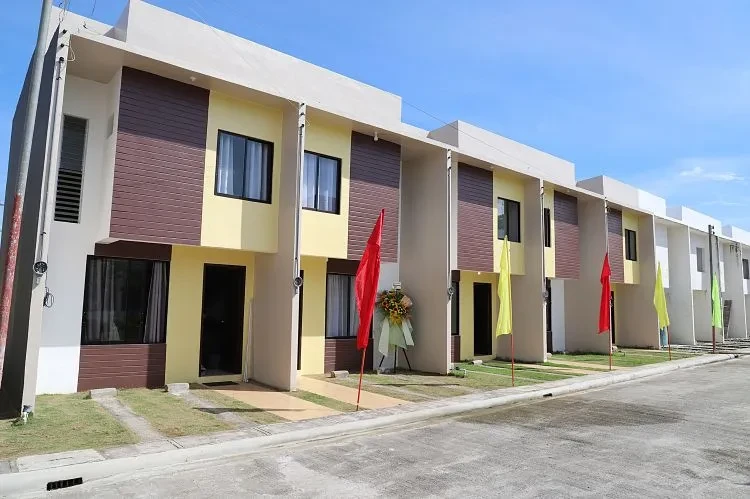
A significant portion of the pag-ibig q1 home loans focused on socialized housing, which is designed for lower-income members. In the first quarter alone, ₱2.95 billion was allocated for socialized housing loans, financing 3,439 homes.
This segment showed strong growth compared to last year:
- 68% increase in total loan amount
- 92% increase in number of housing units
- More access for low-income Filipino workers
These numbers show that Pag-IBIG Fund is strengthening its commitment to helping underserved sectors gain access to affordable housing.

Government Efforts and Housing Programs
The growth of pag-ibig q1 home loans is also connected to the government’s housing initiatives. President Ferdinand Marcos Jr. recently visited housing projects funded by Pag-IBIG to check their progress and meet new homeowners.
The Expanded Pambansang Pabahay para sa Pilipino Program continues to support housing development across the country. This program aims to provide decent homes while also creating jobs and boosting related industries such as construction and materials supply.
Housing officials have also highlighted that expanding home loan access not only benefits families but also helps strengthen the economy. More housing projects mean more employment opportunities and increased demand for local industries.
Key Benefits of Pag-IBIG Home Loans
Pag-IBIG Fund continues to attract members because of its affordable and practical loan features. Many borrowers find it easier to own a home through manageable monthly payments.
Some key advantages include:
- Monthly payments often lower than rental costs
- Flexible loan terms for different income levels
- Opportunity to build long-term assets
- Additional savings through Pag-IBIG programs
These benefits make homeownership more achievable, especially for workers who want a stable and long-term investment.
Sustaining Growth Through Responsible Borrowing
Pag-IBIG Fund also emphasized that the continued growth of pag-ibig q1 home loans is supported by responsible borrowers. Members who consistently pay their loans help maintain the financial strength of the fund.
This stability allows Pag-IBIG to continue offering loans to more members in the future. It also ensures that the system remains sustainable, benefiting both current and future borrowers.
Conclusion
The strong performance of pag-ibig q1 home loans in the first quarter of 2026 shows that more Filipino families are gaining access to affordable housing. With continued support from the government and responsible participation from members, Pag-IBIG Fund remains a key driver in helping workers achieve homeownership while also supporting economic growth. Metro Balita Ph