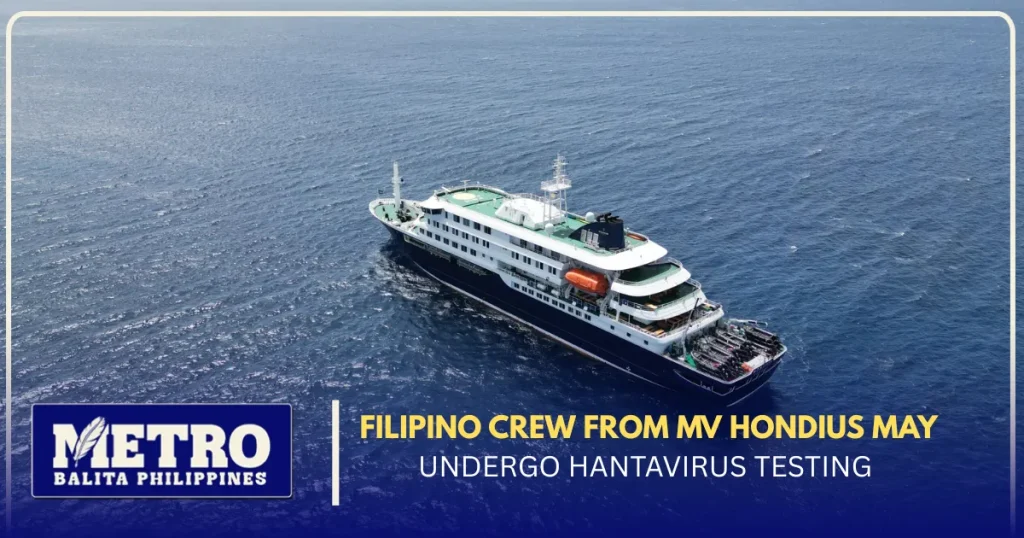
The Philippine government is preparing to respond to a possible health concern involving Filipino crew members aboard the expedition vessel MV Hondius, as international monitoring continues over potential exposure to Hantavirus. The Department of Health (DOH) confirmed that 38 Filipino seafarers may undergo laboratory testing once they return to the country. This development comes after global health authorities flagged a possible link between the vessel and exposure to the virus, prompting precautionary measures.
According to DOH spokesperson Undersecretary Albert Domingo, the Philippines has the capacity to detect Hantavirus using its local laboratory systems. He explained that PCR testing and other diagnostic methods are readily available if needed. This assurance highlights the country’s preparedness to handle potential cases while maintaining public safety.
Current Status of the Filipino Crew
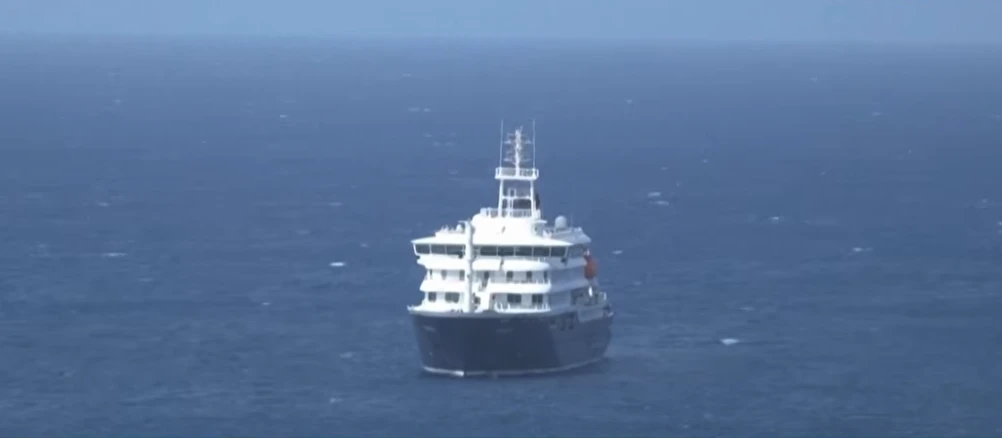
Despite the ongoing monitoring, health officials clarified that all Filipino crew members are currently in stable condition. There are no reported symptoms among the 38 seafarers, which is a positive sign amid the situation. They remain under strict quarantine protocols onboard the vessel to prevent any possible spread of infection.
Important details about the crew include:
- All 38 Filipino crew members remain asymptomatic
- They are under strict isolation and not mixing with others
- No confirmed transmission has been recorded onboard
- Health authorities are closely monitoring their condition
The DOH also emphasized that the quarantine procedures in place are effective. The crew has been separated from other individuals, reducing the risk of transmission. This controlled environment plays a key role in maintaining their safety while further assessments are being considered.
Global Monitoring and International Response
The situation has gained attention from international health organizations, particularly the World Health Organization (WHO). Reports indicate that around 80 individuals have been identified as possible contacts after a passenger linked to the vessel reportedly traveled by plane. This has raised concerns about potential exposure, leading to stricter monitoring measures.
Passengers from MV Hondius were initially not allowed to disembark in Cabo Verde as part of precautionary actions. Meanwhile, the ship operator is still deciding where the vessel will dock next. Spain has been mentioned as one of the possible destinations, although no final decision has been announced.
The DOH continues to receive updates through the WHO’s International Health Regulations system. This ensures that Philippine authorities are informed in real time about any developments related to the crew and the broader situation.
Understanding Hantavirus and Its Risks
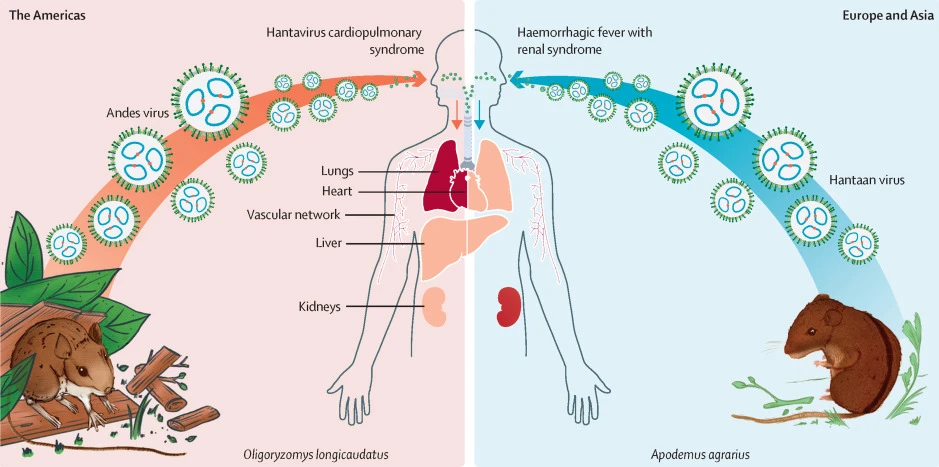
Hantavirus is a disease primarily associated with exposure to infected rodents. Health experts explain that the virus is transmitted through contact with rodent urine, droppings, or saliva. This makes environments with poor sanitation or rodent infestation a higher risk for exposure.
Common symptoms linked to Hantavirus include:
- Fever
- Muscle or body pain
- Headaches
- Respiratory issues
However, these symptoms are not exclusive to Hantavirus, which is why proper diagnosis is important. According to health officials, a person’s history of exposure plays a critical role in identifying potential cases. Without clear exposure, symptoms alone are not enough to confirm the disease.
Public Safety Reminders and Preparedness
The DOH is urging the public to remain cautious and practice proper sanitation, especially when cleaning areas that may be contaminated by rodents. Authorities stress that cleaning should not be done carelessly, as direct exposure to contaminated materials can increase the risk of infection.
Simple preventive measures include:
- Avoid direct contact with rodent waste
- Use protective equipment when cleaning contaminated areas
- Maintain cleanliness in homes and surroundings
- Ensure proper disposal of garbage
These steps can help reduce the risk of exposure and protect public health. Officials also reassured the public that the Philippines has not recorded any confirmed case of Hantavirus this year, which indicates that the current risk remains low.
Conclusion
The situation involving the Filipino crew of MV Hondius continues to be closely monitored, but there is no immediate cause for alarm. With all crew members showing no symptoms and strict quarantine measures in place, the risk remains controlled. The readiness of the Philippine health system to conduct testing and respond quickly reflects its strong capability to manage potential health threats like Hantavirus.
As decisions about the vessel’s docking and possible repatriation are still being finalized, authorities remain alert and prepared for any developments. Continuous coordination with international health bodies ensures that updates are received promptly, allowing the country to act when necessary. For now, the focus remains on monitoring, prevention, and readiness, as reported by Metro Balita Ph.