

Major Fuel Price Cut This Week Brings Relief, But Recovery May Take Time
The major fuel price cut this week has provided much-needed relief to Filipino motorists, transport operators, and businesses that have been struggling with months of elevated fuel costs. While consumers are welcoming the lower pump prices, officials from the Department of Energy (DOE) have cautioned that a complete return to pre-conflict fuel prices may still take anywhere from six to 12 months.
Recent developments in the global oil market have improved expectations for fuel consumers after easing geopolitical tensions helped stabilize crude oil prices. However, energy officials emphasized that restoring supply chains and normalizing global petroleum production will not happen overnight.
As fuel prices begin to move downward, industry experts are closely watching whether the major fuel price cut this week signals the start of a longer trend or simply a temporary adjustment driven by improving market sentiment.
DOE Projects Six to Twelve Months for Full Fuel Price Recovery
According to the Department of Energy, fuel prices could gradually return to levels seen before the recent disruptions in the global oil market. However, officials estimate that the recovery process could take between six and 12 months.
The agency explained that although international tensions have eased and a peace agreement has improved market confidence, oil-producing facilities and transportation networks still need time to resume normal operations. Global supply chains that were disrupted by months of uncertainty must also stabilize before consumers can experience sustained reductions in fuel prices.
Energy officials stressed that the return of supply is not instantaneous. Even if crude oil production increases, it may take several months before the effects are fully reflected in retail fuel prices across various countries, including the Philippines.

Why Fuel Prices Rose in the First Place
Fuel prices surged earlier this year due to geopolitical tensions that affected major oil-producing regions. Concerns about disruptions to global oil supply routes created uncertainty in energy markets, causing crude oil prices to climb significantly.
Because the Philippines imports most of its fuel requirements, fluctuations in global oil prices directly impact local pump prices. As international crude oil costs increased, fuel retailers were forced to pass on higher costs to consumers.
The result was a series of fuel price hikes that placed pressure on transportation costs, logistics operations, food distribution, and household expenses nationwide.
Analysts noted that investor concerns over supply shortages contributed to price volatility. When oil traders anticipate disruptions in production or shipping routes, global benchmark prices often react immediately.
Factors Behind the Major Fuel Price Cut This Week
The major fuel price cut this week comes after encouraging developments in the international energy sector. Market sentiment improved following reports that tensions affecting global oil supply chains may be easing.
Industry observers pointed to improving prospects for oil transportation and supply restoration as key reasons behind the recent decline in fuel prices. As confidence returned to the market, crude oil benchmarks softened, creating room for fuel retailers to implement rollbacks.
The DOE previously noted that positive developments in international peace negotiations contributed to significant fuel price reductions earlier this month. Global oil markets responded favorably as concerns over prolonged supply disruptions diminished.
These developments helped pave the way for the major fuel price cut this week, offering immediate relief to consumers and businesses.
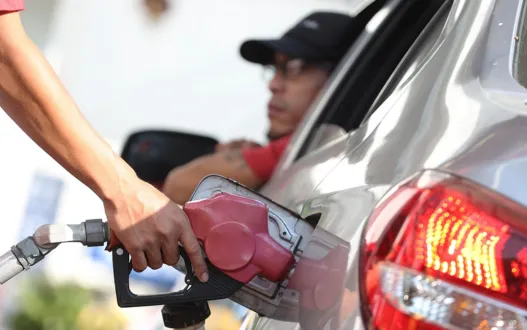
Impact on Filipino Motorists
For many motorists, the latest rollback could translate into meaningful savings.
Private vehicle owners who regularly travel for work or school may see lower weekly fuel expenses. Public utility vehicle operators, delivery services, and logistics companies could also benefit from reduced operating costs.
The transportation sector has been among the hardest hit by rising fuel prices over the past several months. Higher fuel expenses often force operators to adjust fares or absorb additional costs, reducing profitability.
With the major fuel price cut this week, transport groups are hoping that fuel costs will continue to decline in the coming months, helping stabilize fares and operational expenses.
Businesses that depend heavily on transportation and distribution may also experience cost relief, potentially reducing inflationary pressures on consumer goods.
Businesses Welcome Lower Fuel Costs
The effects of fuel price movements extend far beyond gas stations.
When fuel prices rise, transportation costs typically increase throughout the supply chain. Manufacturers, wholesalers, retailers, and delivery companies all face higher operating expenses.
As a result, consumers often pay more for food, household products, and essential goods.
The recent rollback could help ease some of these pressures. Lower fuel expenses may improve business margins and reduce the need for further price increases.
Economists say that if fuel prices continue trending downward, the broader economy could benefit through improved consumer spending and more stable inflation levels.
Oil Inventory Remains Adequate
Despite concerns about global supply disruptions earlier this year, the DOE has assured the public that the country’s fuel inventory remains sufficient.
Government data shows that the Philippines continues to maintain several weeks’ worth of fuel supply across major petroleum products. This provides a buffer against sudden disruptions and helps ensure market stability while global supply chains continue recovering.
Energy officials said maintaining adequate inventory levels remains a priority as authorities monitor developments in international energy markets.
The availability of local fuel reserves helps minimize the risk of shortages and supports the implementation of orderly price adjustments.
Global Oil Market Still Faces Challenges
While recent developments are encouraging, experts caution that several risks remain.
Oil infrastructure affected by recent conflicts still requires repairs and operational adjustments before full production capacity can return. Shipping routes must also function smoothly to ensure efficient fuel distribution across international markets.
In addition, oil prices remain sensitive to geopolitical developments, economic conditions, and global demand trends.
A sudden increase in demand or unexpected supply disruption could influence future fuel price movements.
For this reason, energy analysts continue to emphasize that the path toward complete recovery will likely be gradual rather than immediate.
What Consumers Can Expect Moving Forward
The major fuel price cut this week may be one of the strongest signs yet that fuel markets are moving toward stabilization.
However, consumers should not expect pump prices to return to significantly lower levels overnight. The DOE’s projection of a six- to 12-month recovery timeline reflects the complexity of rebuilding global supply networks and restoring market balance.
Industry experts believe future price movements will largely depend on international oil production, shipping conditions, inventory levels, and geopolitical stability.
If current positive trends continue, motorists could see additional fuel price rollbacks in the coming months.
Outlook Remains Cautiously Optimistic
The major fuel price cut this week has delivered welcome relief to millions of Filipinos facing high transportation and living costs. While challenges remain in the global energy sector, improving market conditions have strengthened hopes for a gradual return to more affordable fuel prices.
The Department of Energy remains cautiously optimistic that continued improvements in global supply chains will support further reductions in fuel costs over the next several months.
For now, consumers, businesses, and transport operators can take comfort in the fact that fuel prices are moving in a favorable direction. Although a complete recovery may still take time, the latest rollback represents an important step toward restoring stability in the country’s fuel market and easing financial pressures on households nationwide.
For more news and updates, visit Metro Balita Ph.