

The Philippine Health Insurance Corporation (PhilHealth) is facing renewed financial pressure in 2026 after concerns emerged that its ₱70 billion government subsidy may no longer be sufficient to sustain healthcare coverage for an estimated 40 million PhilHealth Indirect Members nationwide. Lawmakers are now being urged to approve an additional ₱20 billion to ₱50 billion budget increase to prevent disruptions in essential medical services.
These PhilHealth Indirect Members include indigent families, senior citizens without pensions, persons with disabilities, unemployed individuals, and other vulnerable sectors who rely entirely on government-subsidized healthcare coverage. As medical costs continue to rise and healthcare demand expands, the issue has become a major national policy concern.
₱70 Billion PhilHealth Subsidy Under Pressure From Rising Healthcare Demand
Healthcare Inflation and Cost Escalation
The core concern centers on the ₱70 billion annual subsidy allocated to PhilHealth to support PhilHealth Indirect Members. This fund is intended to cover hospital confinement, outpatient care, emergency services, and preventive healthcare programs.
Healthcare inflation in the Philippines is currently estimated at 8% to 12% annually, driven by rising costs of medicines, laboratory diagnostics, and hospital services. This steady increase has placed significant pressure on PhilHealth’s existing budget.
Reserve Funds and Sustainability Concerns
PhilHealth previously reported reserve funds exceeding ₱400 billion, which have been used to support expanded benefit packages and claim reimbursements. However, health finance experts warn that overreliance on reserves without increasing the annual subsidy may create long-term sustainability risks for PhilHealth Indirect Members.
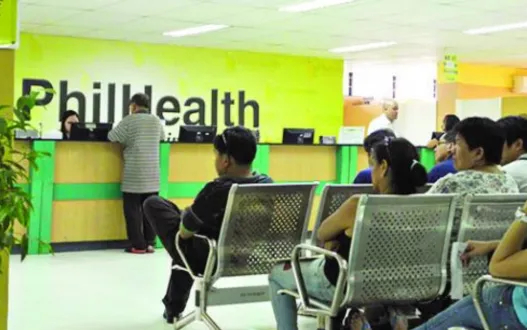
40 Million PhilHealth Indirect Members Rely on Government Support
Breakdown of Beneficiaries
An estimated 40 million Filipinos are classified as PhilHealth Indirect Members, making them the largest group under the national health insurance system. This includes:
- Approximately 14 million indigent beneficiaries
- Around 9 million senior citizens
- Millions of persons with disabilities and vulnerable individuals
Dependence on Government Subsidy
Unlike formal sector workers, PhilHealth Indirect Members do not pay monthly premiums. Their healthcare coverage is fully funded by the government through the ₱70 billion subsidy, making them highly dependent on continued state support.
Risk of Coverage Disruption
Any delay or shortfall in funding could lead to reduced hospital coverage, delayed reimbursements, and increased out-of-pocket expenses ranging from ₱5,000 to ₱50,000 per hospitalization, depending on medical conditions.
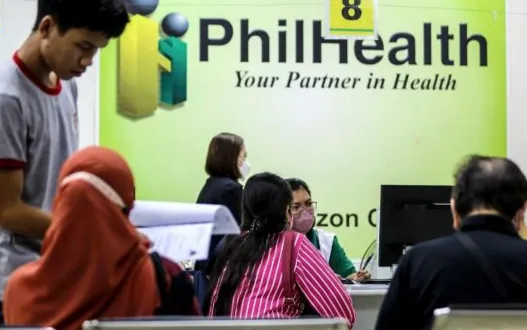
Congress Considers ₱20 Billion to ₱50 Billion Additional Funding
Legislative Proposal for Budget Increase
Lawmakers are currently reviewing proposals to increase PhilHealth funding by an additional ₱20 billion to ₱50 billion to ensure uninterrupted coverage for PhilHealth Indirect Members in 2026.
Rising Healthcare Demand
Healthcare utilization in the country is growing by an estimated 10% to 15% annually, driven by population growth, aging demographics, and increased reliance on public hospitals.
Support for Universal Health Care Law
Supporters of the funding increase emphasize that additional budget allocation is necessary to fully implement the Universal Health Care Act (Republic Act No. 11223), which guarantees healthcare access for all Filipinos, especially vulnerable groups like PhilHealth Indirect Members.
Rising Hospital Costs and Service Delays Affect Coverage
Increased Medical Expenses
Hospital costs in both public and private facilities continue to rise by around 8% to 12% annually, placing additional pressure on the ₱70 billion subsidy.
Claim Processing Delays
Public hospitals have reported PhilHealth claim processing delays ranging from 30 to 90 days, affecting operational cash flow and service delivery.
Impact on Patient Care
For PhilHealth Indirect Members, delays in reimbursements may lead to reduced hospital capacity, longer waiting times, and higher out-of-pocket expenses during medical emergencies.
Debate Over ₱70 Billion Subsidy and National Budget Allocation
Government Budget Priorities
The Philippines’ ₱5 trillion national budget for 2026 has intensified discussions on how much funding should be allocated to healthcare programs like PhilHealth.
Arguments for Increased Funding
Supporters argue that protecting PhilHealth Indirect Members is a social obligation, as they represent the poorest and most vulnerable sectors of society.
Fiscal Concerns
On the other hand, fiscal analysts warn that increasing subsidies beyond ₱70 billion without new revenue sources could strain other essential government programs such as education, infrastructure, and disaster response.
Calls for Transparency and PhilHealth Reform
Strengthening Accountability Systems
Advocacy groups are pushing for stronger transparency in how the ₱70 billion subsidy is managed and distributed to ensure that PhilHealth Indirect Members receive timely benefits.
Proposed Reforms
Key reform proposals include:
- Faster claims processing target of 15 to 30 days
- Improved auditing and monitoring systems
- Digital tracking of hospital reimbursements
- Clear reporting of subsidy utilization
Ensuring Efficiency in Healthcare Delivery
These reforms aim to reduce inefficiencies and improve service delivery for PhilHealth Indirect Members across all regions of the country.
Future of PhilHealth Indirect Members Depends on Budget Decisions
Possible Expansion of Funding
The future of PhilHealth Indirect Members in 2026 depends on whether Congress approves additional funding beyond the current ₱70 billion subsidy, potentially increasing total support to between ₱90 billion and ₱120 billion.
National Healthcare Stability
With more than 100 million Filipinos relying on the national healthcare system, ensuring stable financing has become a critical policy priority.
Legislative Outlook
Lawmakers are expected to continue deliberations on the proposed ₱20 billion to ₱50 billion supplemental funding, along with long-term structural reforms to strengthen PhilHealth’s financial sustainability.
For now, the stability of PhilHealth Indirect Members depends on swift government action, responsible fiscal management, and continued commitment to universal healthcare access in the Philippines.
For more news and updates, visit Metro Balita Ph.