
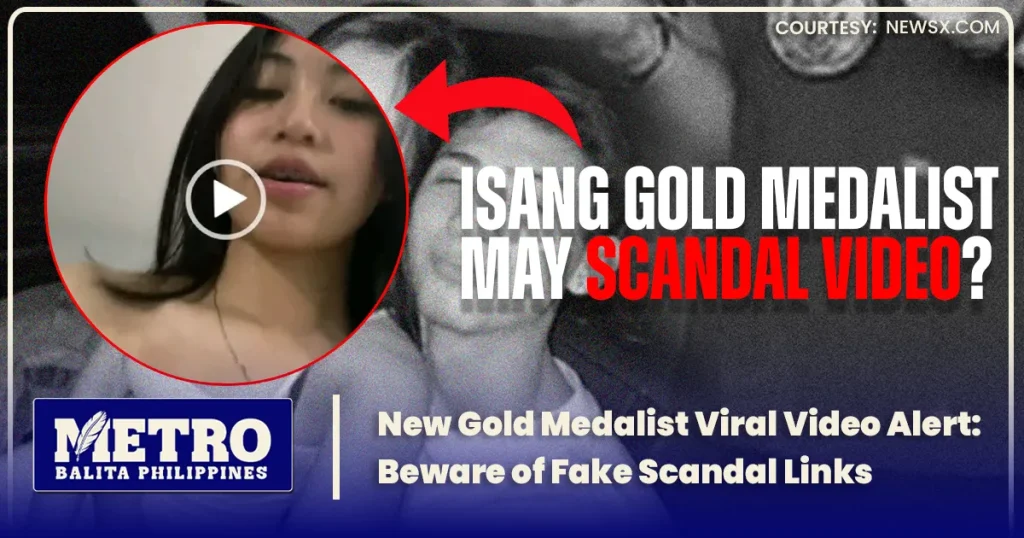
Social media users are being warned about a growing online scam linked to posts claiming a new gold medalist viral video is circulating online. These posts often promise shocking or exclusive footage tied to a supposed scandal, but investigations show that the content is fake and designed to trick users into clicking dangerous links.
As interest around major sporting events continues to rise, scammers are using this attention to spread phishing campaigns across popular platforms.
How the Fake Gold Medalist Video Scam Started
The scam began appearing during heightened online coverage of international sports competitions, including the 2026 Winter Olympics. Posts surfaced claiming to show a leaked or private video involving a gold medalist. Many of these posts used vague captions, blurred images, or sensational wording to attract curiosity and clicks.
Despite the claims, there is no confirmed athlete or real incident connected to these posts. The new gold medalist viral video narrative is simply bait. The goal is not to share real news, but to lead users away from trusted platforms and into fake websites controlled by scammers.

How the Scam Spreads on Social Media
The campaign has been seen across several major platforms, including Facebook, Instagram, and Telegram. The posts are designed to look similar to real news updates, making them easy to mistake as legitimate.
Common signs of these scam posts include:
- Claims of “exclusive” or “leaked” videos involving a gold medalist
- Blurred or cropped images of a person falsely identified as an athlete
- Shortened or unfamiliar links that redirect outside social media
- Urgent language encouraging users to click quickly
By blending into trending sports conversations, these posts often get shared before users stop to question their source.
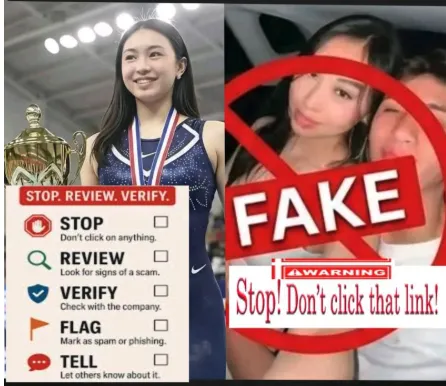
What Happens When You Click the Link
Clicking a link connected to a new gold medalist viral video scam can lead to serious consequences. In many cases, users are redirected to websites that closely resemble official login pages of popular social media platforms. These fake pages ask users to enter their usernames and passwords to “continue watching” the video.
Once login details are entered, scammers can take control of the account. In other situations, users are prompted to download a video player or confirm their age. These downloads may contain malware that can access personal data or damage the device.
After an account is compromised, it is often used to spread the same scam links to friends and contacts. Because the messages come from someone familiar, the scam appears more trustworthy and spreads faster.
Why Scammers Target Major Sporting Events
Large-scale events like the Olympics create perfect conditions for online scams. Public interest is high, searches increase, and people are more likely to click on trending topics. Scammers take advantage of this by attaching fake scandals to well-known events and athletes.
Similar tactics have been used during past international tournaments and global news events. The new gold medalist viral video scam follows the same pattern, using timely keywords and emotional reactions to lower users’ guard.
How to Protect Yourself Online
Being aware of how these scams work is the first step in avoiding them. Simple habits can greatly reduce the risk of falling victim.
Key safety reminders include:
- Do not click links promising leaked or scandalous content
- Check website addresses carefully before entering any login details
- Avoid downloading files from unknown sources
- Use official news outlets to verify trending stories
- Report suspicious posts to the platform immediately
Social media companies rely on user reports to limit the spread of phishing campaigns, making awareness a shared responsibility.

Coutesy: @Marima07 / Twitter
A Fake Scandal With Real Risks
The stories circulating about a gold medalist scandal are false, but the danger behind them is real. The new gold medalist viral video claims are part of a coordinated phishing effort aimed at stealing personal information and spreading malware. As long as major events continue to capture public attention, similar scams are likely to reappear in different forms.
Staying informed and cautious online helps protect not only individual accounts, but also the wider community from digital threats. For more updates, verified information, and trending online safety alerts, continue following Metro Balita Ph.