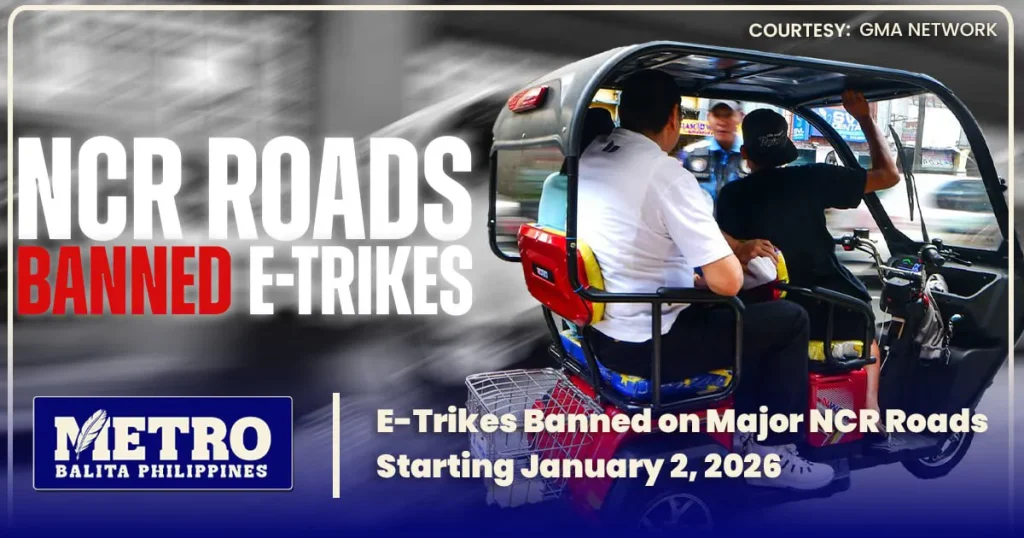
Beginning January 2, 2026, a major traffic policy shift will take effect across Metro Manila as E-trikes Banned from using several primary roads in the National Capital Region. The move marks a decisive step by transport authorities to address growing safety concerns, traffic congestion, and the mismatch between slow-moving electric vehicles and high-speed thoroughfares. While e-trikes and e-bikes have become common sights in many communities, their presence on major roads has increasingly raised red flags among regulators.
The policy, announced by the Metropolitan Manila Development Authority, is part of a broader effort to bring order to Metro Manila’s complex road network while protecting both motorists and vulnerable road users.
Why the NCR Is Enforcing the Ban
The decision to implement the ban did not come overnight. In recent years, traffic authorities have recorded numerous incidents involving electric tricycles and e-bikes navigating national roads designed for faster, heavier vehicles. These roads often lack dedicated lanes for low-speed transport, making e-trikes especially exposed to accidents.
Officials emphasized that e-trikes are generally designed for short-distance travel within barangays and secondary streets, not for highways and major avenues where buses, trucks, and private vehicles dominate. The growing number of electric vehicles on these roads has also contributed to traffic slowdowns, particularly during peak hours.
Under the new rules, E-trikes Banned on major NCR roads is not meant to discourage electric mobility but to ensure that each type of vehicle operates in environments suited to its speed and design.

Roads Covered by the E-Trikes Ban
The ban applies specifically to major roads and thoroughfares across the National Capital Region. These roads are characterized by high traffic volume and faster speed limits.
Affected routes include, but are not limited to:
- National and circumferential roads under MMDA jurisdiction
- Major radial roads connecting cities within Metro Manila
- Primary highways used by buses, trucks, and long-distance vehicles
Local roads, inner streets, and barangay-level routes are not covered by the ban, allowing e-trikes to continue serving communities where they are most effective.
Vehicles Covered Under the Policy
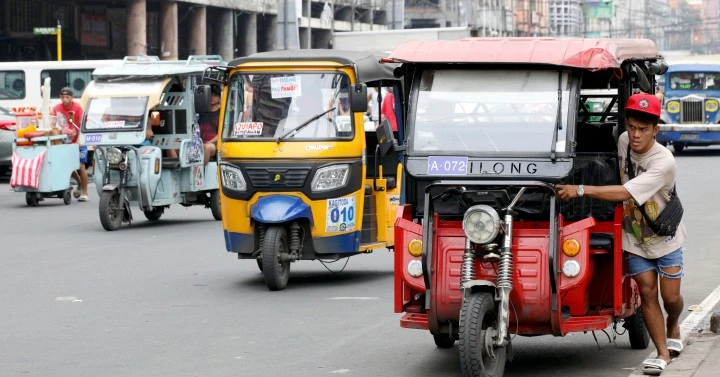
The regulation clearly defines which vehicles fall under the restriction. Authorities clarified that the policy is focused on electric-powered light vehicles that are not built for high-speed traffic environments.
Covered under the ban are:
- Electric tricycles (e-trikes)
- Electric bicycles (e-bikes), particularly low-speed variants
Traditional tricycles, motorcycles, and other registered motor vehicles follow separate traffic classifications and are not automatically included in this specific restriction.
What Happens to Violators
Once the policy takes effect, enforcement will be consistent across Metro Manila. Traffic enforcers will be authorized to apprehend drivers who continue to operate banned vehicles on major roads. Penalties may include fines, warnings, or other sanctions in line with existing traffic regulations.
Authorities stressed that the initial phase of implementation will focus on information dissemination. Riders are encouraged to familiarize themselves with the rules ahead of January 2026 to avoid penalties and disruptions to their daily routes.
Impact on Commuters and Local Transport
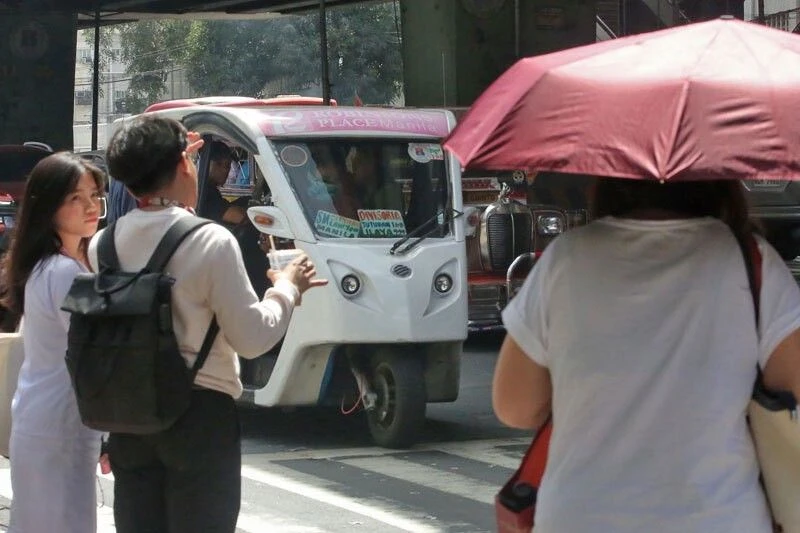
The ban is expected to reshape daily transport patterns for thousands of riders who rely on e-trikes for livelihood or short commutes. While some operators may need to adjust routes, officials believe the long-term benefits will outweigh the inconvenience.
By removing slow-moving electric vehicles from major roads, traffic flow is expected to improve, and accident risks may be reduced. At the same time, the continued use of e-trikes on secondary roads ensures that communities still benefit from affordable, eco-friendly transport options.
The policy reinforces the idea that electric mobility has a place in urban transport—but within clearly defined and safer boundaries.
Looking Ahead to Safer NCR Roads
As January 2, 2026 approaches, authorities continue to urge cooperation from drivers, operators, and commuters. Clear road classifications, better enforcement, and public awareness are key to making the transition smooth.
The announcement that E-trikes Banned on major NCR roads signals a new phase in Metro Manila’s traffic management—one that prioritizes safety, efficiency, and responsible use of emerging transport technologies.
For continued updates, context, and local transport stories, follow the coverage and analysis from Metro Balita Ph.