
An Oil Price Increase is set to take effect in the third week of January, bringing higher fuel costs for motorists and consumers nationwide. Major oil companies have announced another round of pump price hikes, marking the second straight increase for gasoline and the fourth consecutive hike for diesel and kerosene. The development adds pressure on transportation costs and daily household expenses as fuel prices continue to climb.
According to a report by ABS-CBN News, petroleum retailers released advisories confirming that fuel prices will increase starting Tuesday, January 20. The latest adjustment follows ongoing movements in the global oil market, which continue to influence local pump prices under the country’s deregulated fuel pricing system.
Fuel Companies Confirm New Price Adjustments

Several major fuel retailers, including Seaoil Philippines Corp. and Shell Pilipinas Corp., confirmed that they will implement fuel price hikes early Tuesday morning. Other companies quickly followed, signaling a broad industry-wide adjustment that will affect most motorists.
The Oil Price Increase will apply to gasoline, diesel, and kerosene, with diesel recording the highest increase per liter. Most companies will enforce the new prices at 6:00 a.m. on January 20, while one retailer will implement the adjustment later in the day.
This round of price increases comes after previous fuel hikes earlier in the year, raising concerns about the cumulative impact on transport costs and consumer spending.
Details of the Fuel Price Hike
Based on official advisories from fuel companies, the following price adjustments will take effect on Tuesday, January 20:
- Shell Pilipinas and Seaoil (effective 6:00 a.m.)
- Gasoline: ₱1.00 per liter increase
- Diesel: ₱2.00 per liter increase
- Kerosene: ₱1.50 per liter increase
- Cleanfuel (effective 4:01 p.m.)
- Gasoline: ₱1.00 per liter increase
- Diesel: ₱2.00 per liter increase
- No kerosene products, so no adjustment
- Petro Gazz (effective 6:00 a.m.)
- Gasoline: ₱1.00 per liter increase
- Diesel: ₱2.00 per liter increase
- No kerosene products
These adjustments confirm another Oil Price Increase that will be immediately felt by motorists and transport operators nationwide.
Why Fuel Prices Continue to Rise
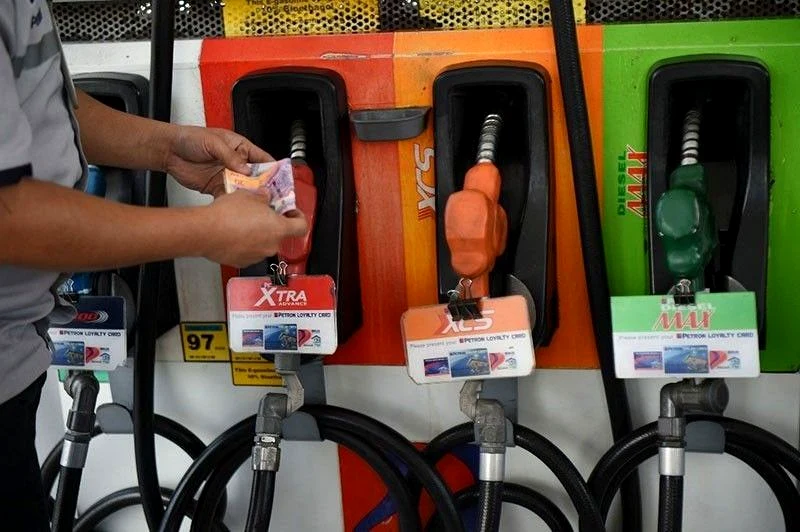
The latest Oil Price Increase is largely driven by global factors affecting crude oil prices. Movements in international oil supply, production decisions by oil-producing countries, and geopolitical developments all contribute to fluctuations in global oil prices, which are reflected in local fuel costs.
Diesel prices, in particular, remain sensitive to global market conditions. Because diesel is widely used for public transportation, logistics, and agriculture, repeated increases can have broader economic effects beyond the fuel pump.
Gasoline users, including private motorists and ride-hailing drivers, are also affected as this marks the second straight gasoline price hike in recent weeks. For households that rely on kerosene, especially in rural areas, the increase adds to daily living expenses.
Impact on Motorists and Consumers
The Oil Price Increase is expected to affect daily commuting costs, business operations, and the transport of goods. Public utility vehicle operators may face higher operating expenses, which could eventually lead to discussions on fare adjustments if fuel prices continue to rise.
Small businesses that rely on fuel-powered deliveries may also experience increased costs, which can be passed on to consumers through higher prices of goods and services. As fuel prices influence transportation and production costs, sustained increases can contribute to broader inflationary pressures.
What Lies Ahead
Fuel price movements in the coming weeks will continue to depend on global oil market trends. Any changes in crude oil supply, international demand, or geopolitical developments may influence whether prices rise further or stabilize.
For now, motorists are advised to stay updated on fuel advisories and plan fuel purchases accordingly. Weekly price adjustments remain possible under the deregulated pricing system.
As the country prepares for another Oil Price Increase, the focus remains on how continued fuel hikes may affect transportation, consumer spending, and overall economic activity. Metro Balita Ph will continue to monitor fuel price developments and provide timely updates for the public.