The Philippine government has announced a temporary shift to a 4 days work week in selected government agencies as part of measures to address the possible economic impact of rising fuel prices and global tensions. President Ferdinand Marcos Jr. issued the directive following growing concerns over the international conflict involving Iran, Israel, and the United States, which could significantly affect global oil supply and local fuel prices.
According to the announcement, the 4 days work week will begin in government offices starting Monday. The policy is designed to reduce fuel consumption and operational costs while maintaining government services for the public. The decision highlights the government’s effort to respond quickly to external economic pressures that could affect the daily lives of Filipinos.
Why the Government Is Implementing the 4 Days Work Week
The temporary 4 days work week policy was introduced after the government assessed the potential impact of the ongoing conflict in the Middle East. The Philippines is considered an oil-import dependent country, which means global oil supply disruptions can easily influence local fuel prices.
President Marcos explained that the situation is largely beyond the country’s control. However, the government can take steps to protect the economy and help Filipinos manage the potential effects.
Oil-poor Philippines is to shift to a four-day work week with fuel prices set to rocket up amid the Iran war, President Ferdinand Marcos said on Friday (Mar 6).
Marcos announced the shift, set to start at all government offices on Monday, among measures aimed at easing the economic impact of the armed conflict involving Iran, Israel and the United States.
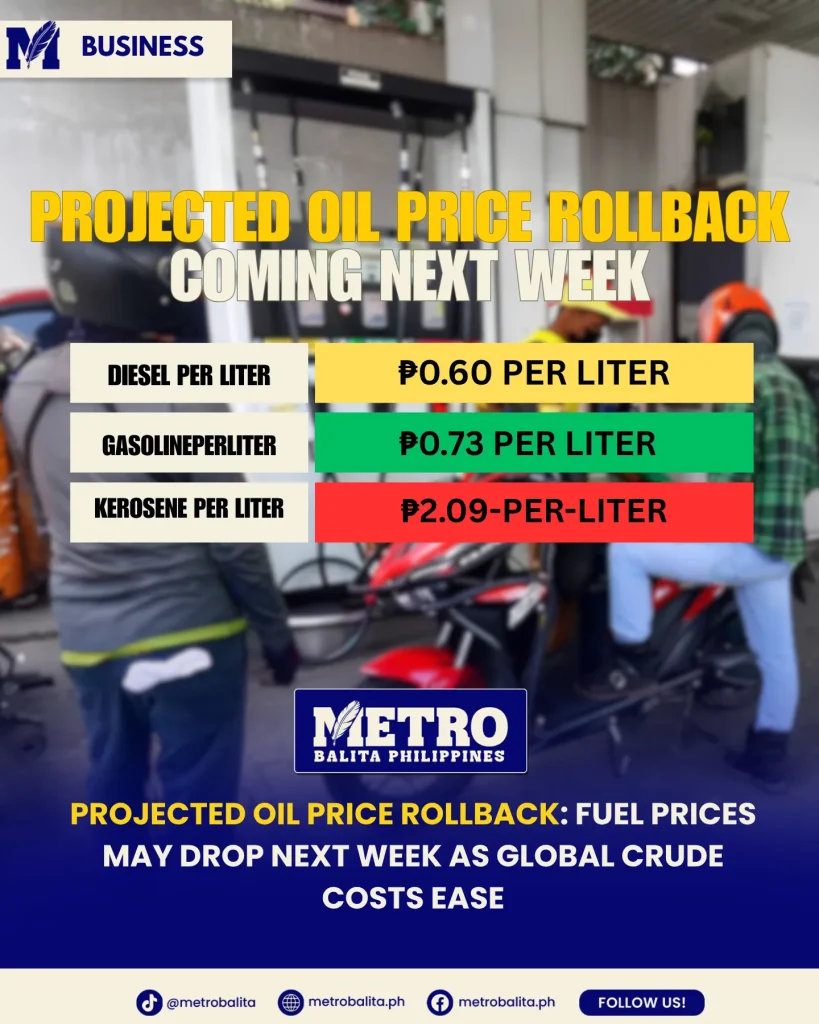
The government warned that the possible closure of the Strait of Hormuz, one of the world’s most important oil transit routes, could trigger significant increases in fuel prices locally. Estimates show that gasoline prices may rise by 7.48 pesos per litre, diesel by 17.28 pesos, and kerosene by 32.35 pesos.
This situation highlights how global conflicts can directly affect energy costs and economic stability in countries like the Philippines.

Courtesy: PCO
Impact of the Iran Conflict on Fuel Prices
The conflict in the Middle East is a major factor behind the government’s decision to implement the 4 days work week. The Strait of Hormuz is a critical passage where about one-fifth of the world’s oil supply passes through. Any disruption in this route can cause oil prices to spike globally. President Marcos emphasized that the Philippines is not involved in the conflict but will still feel its economic consequences.
“We are victims of a war that is not of our choosing,” Marcos said in a statement, adding it was uncertain when it would end.
“But we control how we will protect the Filipino.”
Because the Philippines imports most of its crude oil from the Middle East, any disruption in supply chains can quickly translate into higher fuel prices, electricity costs, and transportation expenses.

Government Measures Alongside the 4 Days Work Week
The 4 days work week is only one of several measures ordered by President Marcos to reduce fuel consumption and limit government spending during the crisis. Government agencies were instructed to implement additional strategies to conserve resources.
Some of the key directives include:
• Reduce fuel and electricity consumption by 10 to 20 percent in government offices
• Suspend government-funded study tours and team-building activities
• Limit physical meetings and encourage the use of online meetings when possible
• Adjust work schedules to reduce commuting and operational costs
These measures aim to lessen the government’s fuel usage while still ensuring that public services remain accessible to citizens.
Economic and Workforce Concerns
Another reason behind the temporary 4 days work week is the broader economic uncertainty linked to the Middle East conflict. The Philippines not only relies on oil imports from the region but also has a large number of workers based there.
More than two million Filipinos are currently working in the Middle East. Any escalation of the conflict could threaten their safety and employment opportunities. As a result, the government is closely monitoring developments to ensure that appropriate measures can be taken if needed.
Additionally, the country still depends on oil-fired power plants for electricity generation. This makes the Philippine economy particularly sensitive to oil price fluctuations.
Expected Effects on Government Operations
Despite the shift to a 4 days work week, the government has assured the public that essential services will continue without disruption. Agencies are expected to adjust their schedules so that operations remain efficient while reducing resource consumption.
The move also encourages government offices to explore more flexible working arrangements and digital solutions. Online meetings and remote coordination are expected to play a bigger role during this period.
While the policy is temporary, it reflects how the government can adapt administrative practices in response to global developments that affect the national economy.
Conclusion
The implementation of a 4 days work week in selected government agencies demonstrates how the Philippine government is responding to global economic pressures caused by rising fuel prices and international conflict. By reducing fuel and power consumption while maintaining government services, the policy aims to cushion the potential economic impact on the country.
As the situation in the Middle East continues to develop, the government will likely monitor fuel price movements and economic indicators before deciding whether further adjustments are necessary. For now, the 4 days work week serves as a practical step toward conserving resources and protecting the national economy during a time of global uncertainty, according to reports monitored by Metro Balita Ph.