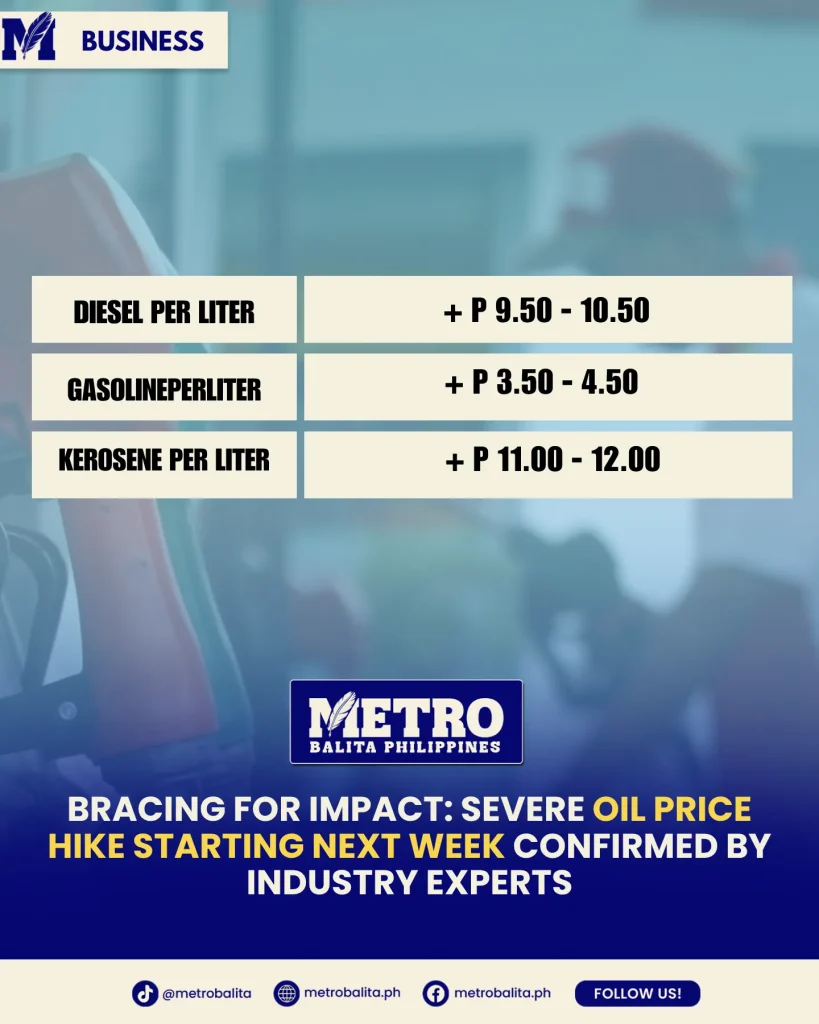
Motorists across the country are preparing for another increase in fuel price as global oil prices continue to rise due to the ongoing conflict in the Middle East. Reports suggest that diesel prices could increase by more than ₱20 per liter next week, while gasoline may rise by over ₱11 per liter. This possible fuel price hike is expected to affect not only private motorists but also public transportation drivers who rely on fuel for their daily income.
For many drivers, the rising fuel price is already creating financial pressure. Public utility vehicle drivers, ride-hailing drivers, and tricycle operators are among those who may feel the biggest impact if the projected increases take effect.
Fuel Price Increase Already Affecting Drivers
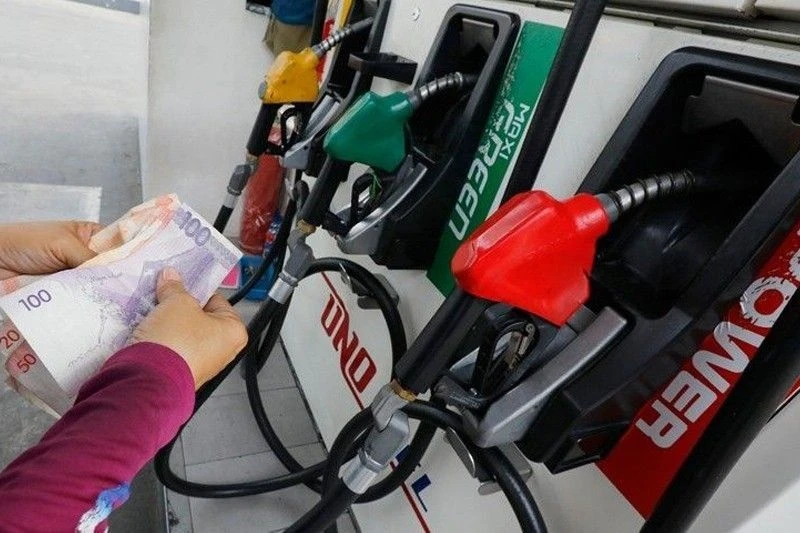
Even before the expected adjustments next week, many motorists have already noticed changes in the fuel price at different stations. Some drivers said that the increase has made them more careful about when and how often they travel. According to monitoring from the Department of Energy, fuel price movements are being closely observed as global oil prices continue to fluctuate.
Jeepney driver Jeffrey Pajarillo shared that he now hesitates to drive around while waiting for passengers because fuel has become more expensive. Earlier in the day he purchased diesel at ₱58 per liter, but by noon the price had already climbed.
He explained that in the past he could drive around to find passengers, but now he prefers to wait in line at terminals instead of wasting fuel. According to projections and updates monitored by the Department of Energy, diesel prices may soon reach around ₱80 per liter if global oil prices continue to rise.
How Rising Fuel Price Is Affecting Transportation Workers
Many transportation workers are now adjusting their daily routines to cope with the rising fuel price. Some drivers are even looking for additional income to support their families.
Common changes drivers are making include:
- Waiting longer at terminals instead of driving around for passengers
- Taking part-time jobs such as vehicle repair work
- Reducing the amount of fuel they purchase each day
- Limiting trips to avoid unnecessary fuel consumption
Ride-hailing driver Raul Simafranca also shared that the fuel price increase has significantly affected his expenses. He said that filling up his vehicle used to cost about ₱2,700, but now it can reach more than ₱3,000.
Meanwhile, tricycle driver Henry Enriquez said he can no longer afford to fully fill his fuel tank. Instead of spending around ₱800 for a full tank like before, he now buys only about ₱200 worth of fuel just to continue working.
Fuel Price Levels at Different Stations
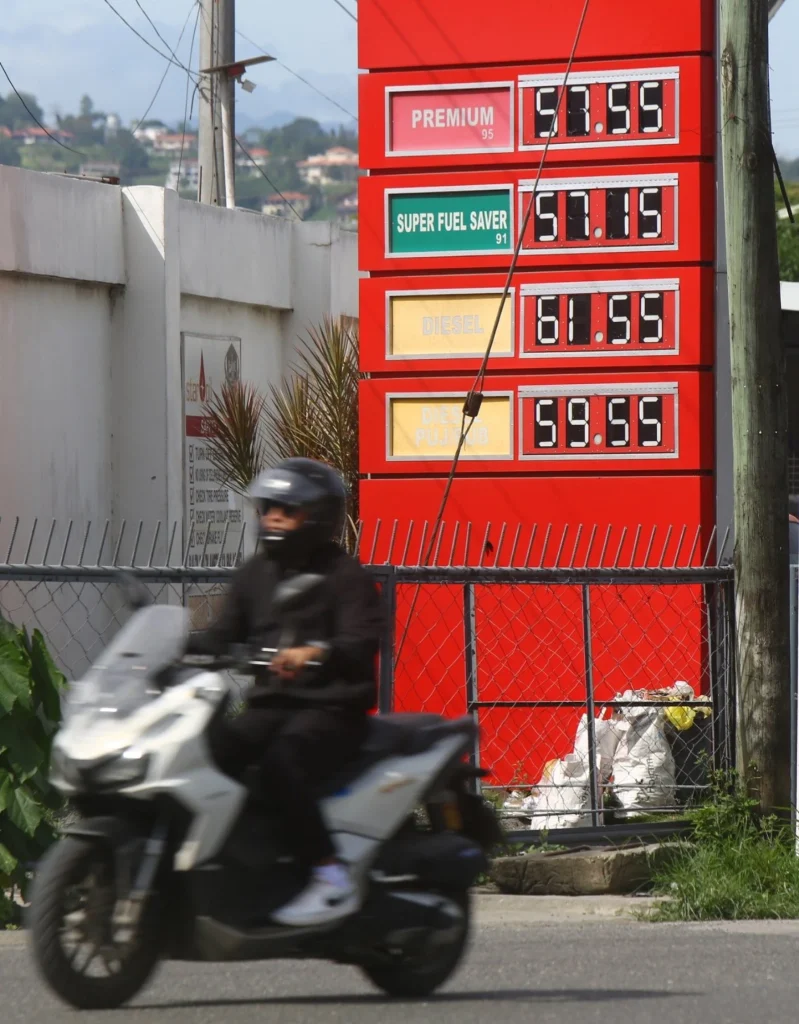
Fuel prices have already shown noticeable increases in several parts of Metro Manila. Monitoring from various gas stations shows that prices continue to move upward.
Recent fuel price observations include:
- Diesel around ₱71 per liter along Quezon Avenue
- Turbo diesel reaching about ₱74 per liter
- Gasoline priced at approximately ₱61 per liter
- Diesel rising from ₱61.40 to ₱62.40 per liter in some stations
- Other stations increasing prices by ₱2 to ₱3 per liter in a single day
These adjustments show how quickly fuel price levels can change depending on the global oil market.
Government Response to Rising Fuel Price
The government has started preparing measures to help sectors affected by the rising fuel price. President Ferdinand Marcos Jr. said authorities are coordinating with Congress to possibly reduce excise taxes on petroleum products if global oil prices reach $80 per barrel.
The president also announced that fuel subsidies and cash transfers will be provided to affected sectors. These programs aim to support transportation workers and other groups who depend heavily on fuel.
In addition, some government offices will temporarily shift to a four-day workweek to help reduce fuel and energy consumption.
Other government actions being considered include:
- Monitoring the prices of basic goods to prevent profiteering
- Providing fuel subsidies to public utility vehicle drivers
- Coordinating with local governments to ensure fair fuel price practices
The Land Transportation Franchising and Regulatory Board said around ₱2.5 billion has been allocated for assistance to PUV drivers and operators.
However, some transport groups believe that subsidies alone may not be enough. Leaders from the transport group PISTON have called for the suspension of excise taxes and value-added tax on petroleum products to help ease the burden on drivers.
Monitoring Fuel Price Adjustments
The Department of Energy reminded the public that official fuel price adjustments normally occur every Tuesday. Authorities also warned that gas stations should not increase prices outside the scheduled adjustment.
The DOE is coordinating with local government units and law enforcement agencies to ensure that oil companies follow the rules and do not manipulate fuel prices.
The public is encouraged to report any suspected overpricing or hoarding through the DOE hotline or official social media channels.
As motorists continue to prepare for another possible fuel price increase, many hope that government support measures will help reduce the financial burden faced by drivers and commuters. For more updates and detailed reports about the latest fuel price developments, continue following Metro Balita Ph.