Meralco rates increase will hit consumers this February as the country’s largest power distributor announced a ₱0.22 per kilowatt-hour (kWh) adjustment in electricity prices. The hike is mainly driven by higher transmission and universal charges, which are expected to push monthly power bills higher for households and businesses across its service areas.
According to Meralco, the adjustment reflects changes in various components of the power bill. While some charges went down and provided slight relief, these were not enough to offset the increases from other cost drivers. As a result, customers will see a noticeable difference in their February statements, reinforcing concerns about rising utility expenses during the early part of the year.
How Much More Consumers Will Pay
The Meralco rates increase translates to different peso amounts depending on household electricity usage. Meralco provided estimates to help consumers understand how the adjustment will reflect on their bills.
Estimated bill increases based on monthly consumption include:
- 200 kWh: about ₱45 increase
- 300 kWh: about ₱67 increase
- 400 kWh: about ₱89 increase
- 500 kWh: about ₱111 increase
These figures show that families with higher electricity consumption will feel a greater financial impact. For many households, especially those already managing tight budgets, even a modest increase can add pressure to monthly expenses.
Transmission and Universal Charges Drive the Hike
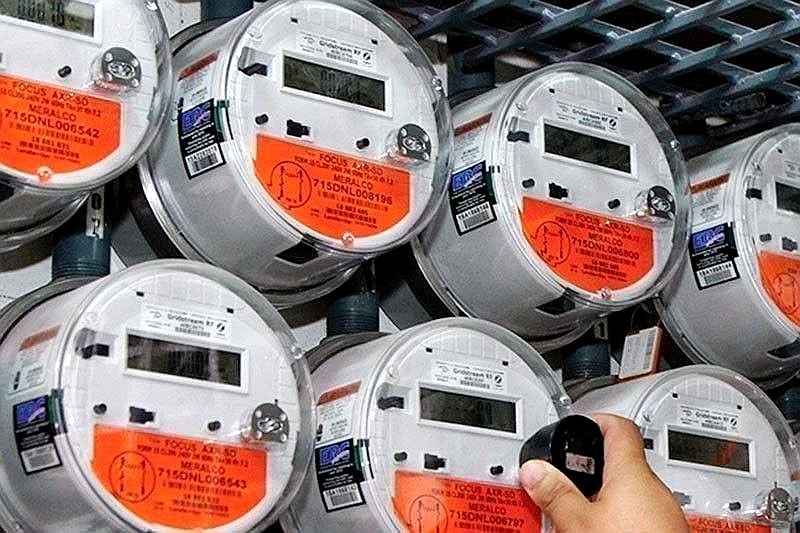
Meralco identified the transmission charge as the main reason behind the February rate increase. The transmission component surged by ₱0.1975 per kWh, largely due to higher ancillary service charges from the Reserve Market. These costs were incurred by the National Grid Corporation of the Philippines, which operates the country’s power transmission system.
Another factor contributing to the increase is the Universal Charge for Missionary Electrification, which rose by ₱0.0770 per kWh following approval from the Energy Regulatory Commission. This charge is used to subsidize electricity services in off-grid and remote areas across the country. While the program supports communities without access to the main grid, it also adds to the cost burden shared by all consumers.
Lower Generation Charge Offers Limited Relief
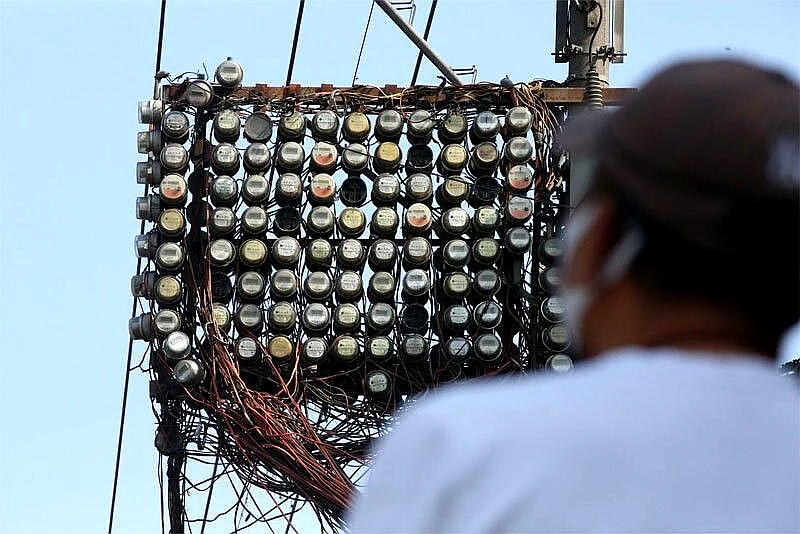
There was some positive news amid the increase. Meralco said the overall hike was slightly tempered by a decrease in the generation charge, which went down by ₱0.1073 per kWh. This reduction was due to lower costs from Independent Power Producers and the scheduled quarterly repricing of Malampaya natural gas.
However, these savings were partly offset by higher prices in the Wholesale Electricity Spot Market. Tighter supply conditions in the Luzon grid led to increased market prices, reducing the overall benefit of the lower generation charge. As a result, the net effect still pointed to an increase in total electricity rates for February.
Relief Measures for Low-Income Households
Despite the Meralco rates increase, some consumers may receive relief under a new directive from the Energy Regulatory Commission. Qualified “lifeline” customers, including members of the Pantawid Pamilyang Pilipino Program (4Ps), who consume 50 kWh or less per month will now receive a 100 percent discount on their electricity bills.
Meralco welcomed the directive, noting that it aims to protect marginalized households from rising power costs. Company officials expressed hope that the measure would provide meaningful assistance to customers who are most vulnerable to rate increases.
Call for Energy Efficiency as Summer Nears
With the dry season approaching, Meralco also reminded the public to practice energy efficiency. Higher temperatures typically lead to increased use of electric fans and air-conditioning units, which can further raise electricity consumption. Simple steps such as turning off unused appliances, using energy-efficient lighting, and managing cooling usage can help households control their power bills.
As February’s rate adjustment takes effect, the Meralco rates increase highlights the continuing challenges faced by consumers amid fluctuating power costs. Understanding the factors behind the hike and taking proactive steps to manage consumption may help households better cope with higher electricity expenses, according to reports from Metro Balita Ph.