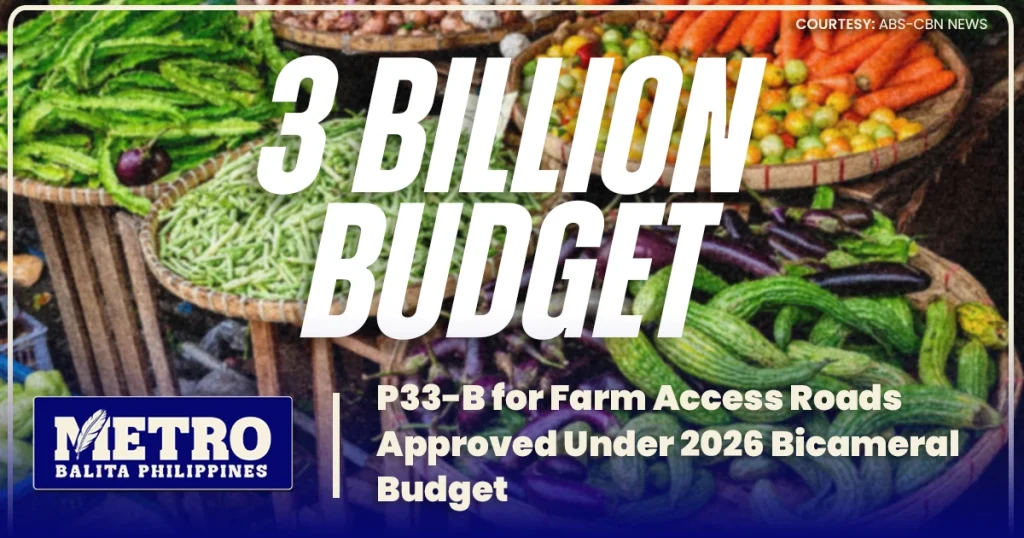
P33-B for farm access roads has been approved under the 2026 national budget following the agreement reached by lawmakers during the bicameral conference committee meeting. The allocation is expected to significantly improve rural infrastructure by strengthening farm-to-market road projects across the country. These roads are critical in connecting agricultural areas to trading centers, reducing transport costs, and improving the overall efficiency of the food supply chain.
Background of the 2026 Bicameral Budget Decision
The approval of the P33 billion allocation came after extensive discussions between members of the Senate and the House of Representatives. During the bicameral meeting, lawmakers reconciled differences between their respective versions of the national budget, particularly on funding for agricultural infrastructure.
Initially, the National Expenditure Program proposed a lower allocation for farm-to-market roads. However, legislators argued that the amount was insufficient to address the needs of farmers who continue to face challenges in transporting goods. The final agreement to approve P33-B for farm access roads reflects a compromise that places greater emphasis on rural development and food security.

Importance of Farm-to-Market Roads
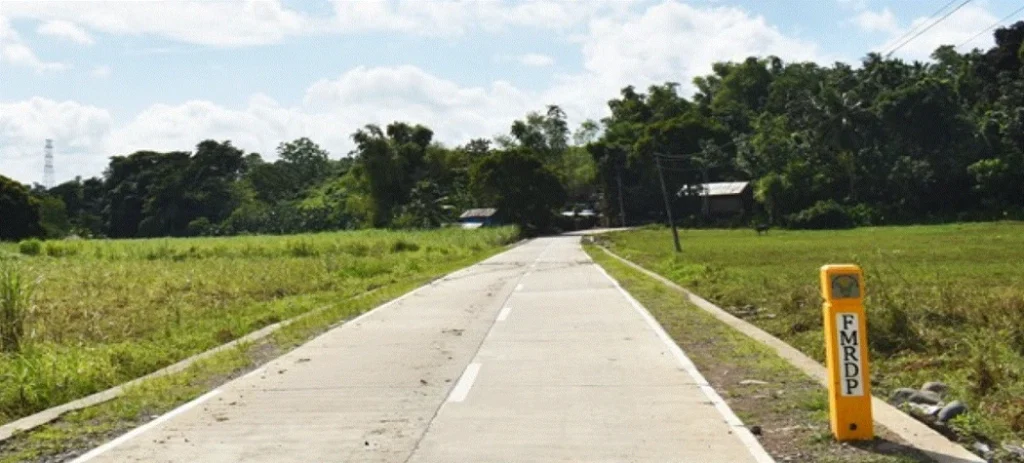
Farm-to-market roads play a vital role in the agricultural sector. Poor road conditions often result in delayed deliveries, higher transportation expenses, and post-harvest losses. These factors reduce farmers’ income and limit their ability to compete in larger markets.
With improved access roads, farmers can transport produce more quickly and efficiently. This helps ensure fresher goods reach markets and reduces spoilage. Better roads also support the timely delivery of farm inputs such as seeds, fertilizers, and equipment, which are essential for improving productivity.
Expected Benefits for Farmers and Rural Communities

The approval of P33-B for farm access roads is expected to deliver both economic and social benefits. Reduced transport costs can lead to higher profits for farmers, while improved market access can encourage increased production.
Rural communities may also benefit from better access to essential services. Improved roads make it easier for residents to reach schools, health facilities, and government offices. During emergencies or natural disasters, better road networks can support faster response and recovery efforts.
Role of Government Agencies and Local Units
The implementation of farm-to-market road projects will involve coordination between national government agencies and local government units. Lawmakers emphasized the importance of clear roles and responsibilities to ensure that projects are completed efficiently and according to standards.
Local governments are expected to help identify priority areas where road improvements are most needed. Their familiarity with local conditions allows for better planning and alignment with agricultural development goals.
Oversight, Transparency, and Accountability
During bicameral discussions, concerns were raised about the need for stronger oversight mechanisms. Lawmakers stressed that the success of the program depends not only on funding but also on proper implementation.
Proposals included stricter monitoring systems, transparent procurement processes, and regular reporting on project progress. Some legislators also encouraged community participation in monitoring road construction to help prevent delays, cost overruns, and misuse of funds.
Long-Term Impact on Agriculture and Food Security
Investments in farm-to-market roads are seen as long-term solutions to structural problems in the agricultural sector. Improved connectivity can help stabilize food prices by ensuring a steady supply of goods from farms to markets.
Better infrastructure may also attract private investment in rural areas, including agri-processing and storage facilities. This can create jobs, add value to agricultural products, and strengthen local economies.
Moving From Budget Approval to Implementation
As the 2026 national budget moves toward final enactment, attention will shift to how quickly and effectively the approved projects are implemented. Farmers’ groups and rural advocates have welcomed the allocation but emphasized the importance of timely execution.
Delays in construction or poor-quality work could undermine the benefits of the investment. As such, stakeholders are calling for clear timelines, strict quality standards, and consistent monitoring throughout project implementation.
Conclusion
The approval of P33-B for farm access roads under the 2026 bicameral budget represents a significant commitment to improving rural infrastructure and supporting the agricultural sector. By addressing long-standing transport challenges, the funding has the potential to improve farmers’ livelihoods, strengthen food supply chains, and promote inclusive rural growth.
As implementation begins, the true measure of success will be seen on the ground, where improved roads translate into real benefits for farming communities. According to Metro Balita Ph, the approved allocation offers a promising opportunity to transform rural connectivity and reinforce the foundation of the country’s agricultural economy.