The Department of Labor and Employment (DOLE) has taken a proactive step in response to the growing oil crisis by preparing a ₱1.2 billion relief fund aimed at protecting vulnerable workers across the country. As fuel prices continue to rise and global energy supply remains uncertain, the government is moving to cushion the impact on employment, mobility, and daily livelihood.
This development follows the implementation of Executive Order 110, which declares a state of national energy emergency. Through this declaration, DOLE and other government agencies are given the authority to respond quickly to economic risks brought by disruptions in energy supply, particularly those affecting workers and industries dependent on fuel.
Why DOLE Prepared the ₱1.2 Billion Fund

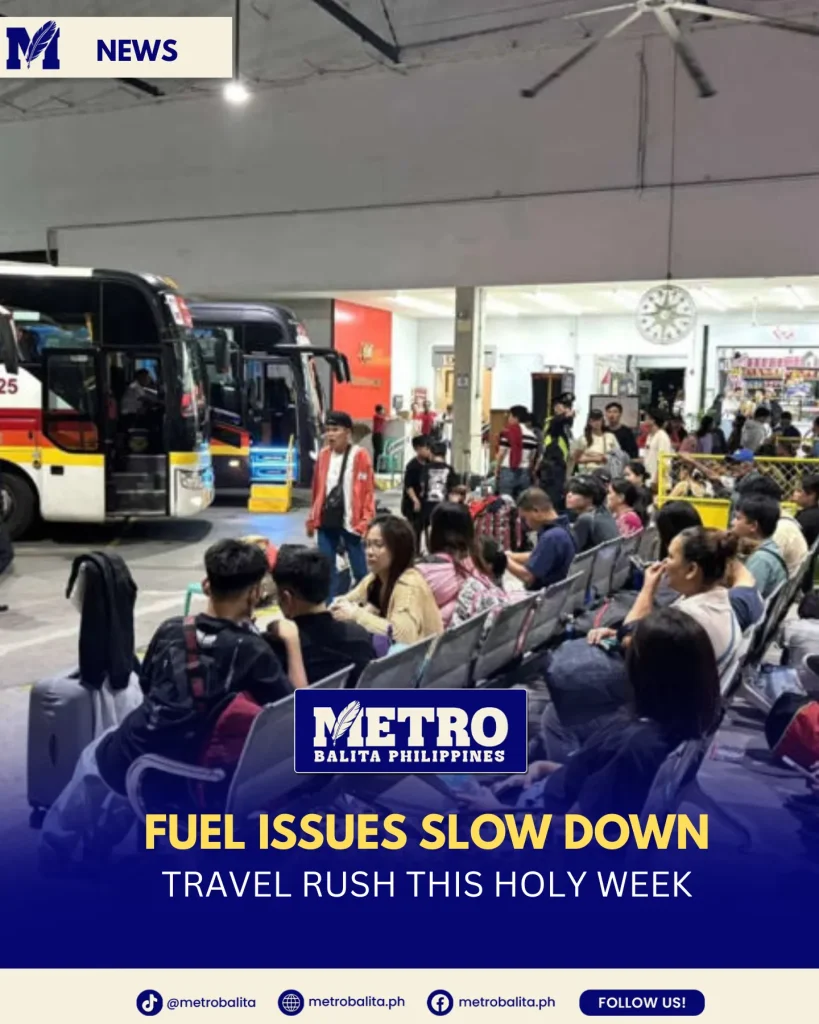
The oil crisis has created a ripple effect across multiple sectors, especially transportation, logistics, and small businesses. As fuel costs increase, many workers face reduced income, job displacement, or unstable working conditions. DOLE recognized these risks early and prepared a standby fund to ensure that immediate support can be provided.
The ₱1.2 billion fund is intended to:
- Support workers who may lose their jobs due to rising operational costs
- Provide emergency employment opportunities
- Assist low-income and informal workers affected by fuel price increases
- Maintain economic activity by helping key sectors continue operating
By preparing this fund, DOLE aims to reduce the negative impact of the crisis while helping workers stay afloat during uncertain times.
Programs Where the DOLE Fund Will Be Used
To effectively distribute assistance, DOLE will channel the relief fund through its established social protection programs. These programs are designed to reach workers quickly and provide both short-term and long-term support.
The main programs include:
- Tulong Panghanapbuhay sa Ating Disadvantaged/Displaced Workers (TUPAD)
A community-based emergency employment program that offers temporary jobs to displaced or vulnerable workers - DOLE Integrated Livelihood Program (DILP)
A livelihood support initiative that helps workers start or sustain small businesses through financial and technical assistance
These programs ensure that the fund is not only used for immediate relief but also helps workers rebuild and sustain their income sources.
DOLE’s Coordination with Other Agencies
The response to the oil crisis is not limited to DOLE alone. The agency is actively working with several government departments to implement a unified and targeted approach under the UPLIFT program.
DOLE is closely coordinating with:
- Department of Transportation (DOTr)
- Department of Social Welfare and Development (DSWD)
- Department of the Interior and Local Government (DILG)
- Local Government Units (LGUs)
This collaboration focuses on delivering emergency employment and livelihood assistance, especially to transport workers who are among the most affected by rising fuel prices. The goal is to ensure that public transportation remains operational while supporting drivers and operators financially.
Support for OFWs and Repatriated Workers
In addition to local workers, DOLE is also addressing the needs of overseas Filipino workers affected by international conflicts and economic disruptions. The agency is working with the Department of Migrant Workers and the Overseas Workers Welfare Administration to identify repatriated OFWs who may need assistance.
Support for OFWs includes:
- Job matching with available local employment opportunities
- Access to skills training through TESDA
- Livelihood assistance for reintegration
- Participation in reintegration programs such as the upcoming Bayanihan para sa Balikbayang Manggagawa
Recent reports show that thousands of OFWs have already been repatriated, highlighting the urgency of providing structured support for their return and reintegration into the local workforce.
Challenges in Aid Distribution
While the government has mobilized resources, challenges remain in the distribution of financial assistance. Issues such as incomplete data submissions from transport network companies have caused delays in providing aid to some drivers and delivery riders.
Despite this, authorities have assured that corrective measures are already being implemented, including special payout schedules and stricter coordination with concerned companies. The government remains committed to ensuring that all eligible beneficiaries receive the assistance they need.
Conclusion
The move of DOLE to prepare a ₱1.2 billion relief fund reflects a timely and necessary response to the ongoing oil crisis. By activating its programs, coordinating with multiple agencies, and extending support to both local workers and OFWs, DOLE is helping safeguard livelihoods during a period of economic uncertainty. As the situation continues to evolve, these efforts play a crucial role in maintaining stability and protecting the Filipino workforce, as highlighted in reports from Metro Balita Ph.