Nestlé has announced a global recall of certain baby formula products following concerns related to potential toxin contamination. The move underscores growing scrutiny around infant food safety and reflects the company’s response to findings that raised health-related red flags. As one of the world’s largest food and beverage manufacturers, Nestlé’s actions have drawn international attention, particularly among parents, healthcare professionals, and regulatory agencies.
The recall is described as a precautionary step aimed at protecting infant health while further assessments are conducted. According to official reports, the affected products were identified through internal quality checks and coordination with food safety authorities, reinforcing the role of monitoring systems in detecting potential risks before widespread harm occurs.
What Prompted the Nestlé Baby Formula Recall
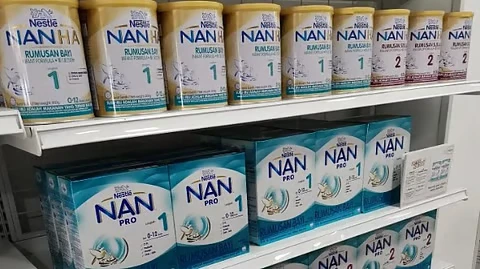
Nestlé initiated the recall after detecting traces of a substance linked to potential health risks in specific baby formula batches. Although levels were reported to be within regulatory limits in some areas, the company chose to act as a precaution to protect infants. The recall is limited to select batches in certain markets, and no confirmed illness cases have been reported.
Products and Markets Affected
Nestlé has worked with national food safety authorities to identify the specific products included in the recall. While distribution varies by country, the company has released guidance to help consumers determine whether they may be affected.
Key points of the recall include:
- Only selected batches of baby formula are involved, not the entire product line
- Distribution is limited to specific markets identified by regulators
- Product codes and batch numbers have been made available through official channels
Consumers are advised to check packaging details carefully and follow instructions issued by local health agencies and Nestlé representatives.
Steps Taken by Nestlé Following the Recall

In response to the situation,Nestlé implemented several immediate measures to ensure consumer safety and maintain transparency. The company stated that it is cooperating fully with regulators and continuing to investigate the source of the issue.
Actions taken by Nestlé include:
- Halting the distribution of affected batches
- Removing recalled products from retail shelves
- Strengthening internal testing and quality control procedures
Nestlé also set up consumer support channels to assist parents and caregivers with product returns, refunds, and inquiries. These measures are intended to minimize disruption while prioritizing infant health and public confidence.
Guidance for Parents and Caregivers
Health authorities and Nestlé have advised parents to stop using any baby formula products identified in the recall. Caregivers are encouraged to consult healthcare professionals if they have concerns about infant feeding or possible exposure.
Parents are also reminded that recalls are precautionary by nature. While they can be alarming, they are an essential part of food safety systems designed to prevent harm before it occurs.
Broader Implications for Infant Food Safety
The Nestlé recall highlights broader issues within the global infant nutrition industry. As supply chains become more complex and production scales increase, manufacturers face greater responsibility to ensure consistent safety standards across all markets.
Regulators continue to stress the importance of rigorous testing, transparent reporting, and swift corrective action. For companies like Nestlé, maintaining trust depends not only on compliance but also on proactive risk management and clear communication with the public.
This incident also reinforces the role of government agencies and independent monitoring bodies in safeguarding public health. Their collaboration with manufacturers helps ensure that potential risks are identified early and addressed effectively.
A Precautionary but Necessary Move
While recalls can impact brand reputation, they are often viewed as responsible actions when managed transparently. Nestlé’s decision to issue a global recall reflects an effort to prioritize infant health over commercial concerns, even in the absence of confirmed harm.
As investigations continue, updates from regulators and Nestlé will be closely monitored by consumers worldwide. The outcome may influence future policies on food safety oversight and reinforce the importance of vigilance in products designed for the most vulnerable populations.
This development continues to be followed by Metro Balita Ph as part of its ongoing coverage of international health, consumer safety, and corporate accountability issues that affect Filipino families and the global community.