The Metro Manila subway, one of the Philippines’ most ambitious infrastructure projects, is now facing potential challenges as global tensions continue to affect fuel and construction costs. The ongoing conflict in the Middle East, particularly involving the United States, Israel, and Iran, has triggered a surge in oil prices, raising concerns among contractors working on major railway projects in the country.
Private contractors involved in both the Metro Manila subway and the North-South Commuter Railway (NSCR) have confirmed that rising fuel costs are beginning to impact project expenses. While operations continue as planned, there is growing awareness that prolonged global instability could influence timelines and overall project budgets.
Rising Fuel Costs Affect Construction Operations

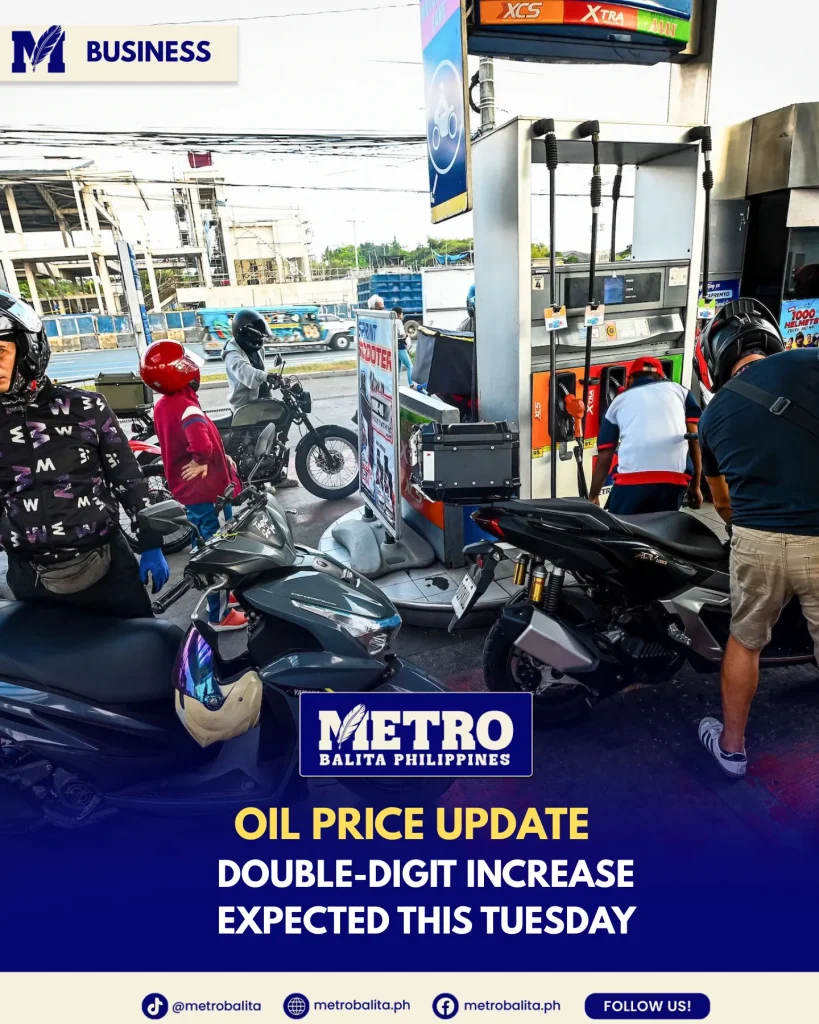
One of the most immediate concerns is the sharp increase in diesel prices. According to contractors, heavy equipment used in subway construction relies heavily on diesel fuel, making operations more expensive.
Construction teams highlighted that:
- Diesel prices have significantly increased from around P60 per liter to approximately P123 per liter
- Heavy equipment such as excavators, cranes, and dump trucks depend on diesel for daily operations
- Even with electric-powered tunnel boring machines, auxiliary equipment still requires fuel
Despite these challenges, contractors remain cautiously optimistic. Officials noted that delays will only occur if fuel supply becomes critically limited. As of now, the government, through the Department of Energy, is working to secure additional fuel supply to prevent disruptions.
Coordination between contractors and the Department of Transportation (DOTr) continues to ensure that operations remain uninterrupted. At present, there are no directives to suspend or slow down construction activities.
Material Costs and Supply Chain Pressures
Aside from fuel, rising global costs are also affecting construction materials, particularly those sourced from overseas. The Metro Manila subway relies on a wide range of imported materials and components, making it vulnerable to global price fluctuations.
However, some contractors have already taken proactive steps to reduce risks. For certain contract packages, most of the critical materials have already been secured ahead of time.
Key developments include:
- Major structural components such as sheet piles have already been delivered
- Essential construction materials for several subway stations are already in place
- Remaining components, including electro-mechanical systems, are still being sourced
Additionally, the arrival of new tunnel boring machines is already scheduled, which is expected to support continuous excavation work. These preparations help minimize the risk of immediate delays despite global uncertainties.
Project Scope and Timeline Remain Intact
The Metro Manila subway is a 33-kilometer underground railway system designed to connect key areas including Valenzuela, Quezon City, Pasig, Taguig, Parañaque, and Pasay. It also features a direct connection to Ninoy Aquino International Airport, making it a major solution to urban transportation challenges.
Despite the current global situation, the government maintains that the project timeline remains in place. Partial operations are still expected to begin by 2032.
Meanwhile, progress on the North-South Commuter Railway also continues, with contractors reporting that most materials for certain segments have already been secured. However, some finishing materials are still being imported, requiring close coordination with suppliers abroad.

Coordination Challenges Among Contractors
Beyond fuel and material costs, another factor that could potentially affect timelines is coordination among multiple contractors handling different parts of the project.
Large infrastructure developments like the Metro Manila subway and NSCR involve multiple contract packages awarded at different times. This creates dependencies between teams, especially for systems that must be integrated.
Challenges identified include:
- Delays in completing designs for electro-mechanical systems
- Dependency on installation timelines of signaling, communication, and power systems
- Inability to finalize certain structures until all components are completed
These coordination issues, while manageable, require careful planning to avoid bottlenecks in construction progress.
Conclusion
While the Metro Manila subway continues to move forward, global events such as the Middle East conflict are beginning to show real effects on infrastructure development costs. Rising fuel prices and material expenses present new challenges, but current efforts from both contractors and government agencies aim to keep the project on track.
With ongoing coordination, secured supplies, and contingency measures in place, major delays are not expected at this stage. However, the situation remains dynamic, and developments in the global market will continue to play a role in shaping the future of large-scale projects in the country.
Metro Balita Ph will continue to monitor updates on the Metro Manila subway and other key infrastructure developments as they unfold.