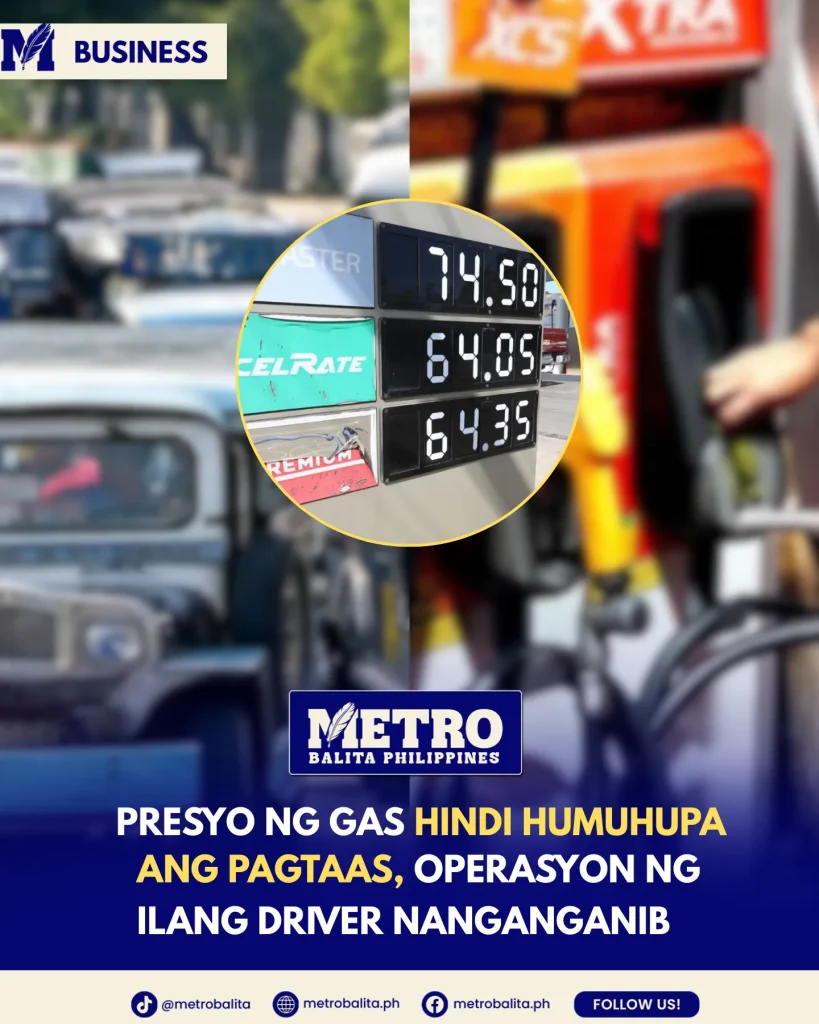
Gasoline prices are once again moving upward as oil companies announce a fresh increase that will take effect on Tuesday. Motorists can expect an additional P1.20 per liter for gasoline based on adjustments confirmed by major fuel players. This development adds to the series of weekly fuel movements that have kept drivers alert for new advisories. Although diesel and kerosene remain unchanged this week, the upward shift in gasoline prices is enough to affect both daily commuters and transport operators.
For many Filipinos, fuel is more than a commodity—it is a necessity that powers work, mobility, and the nation’s transport system. Even a small increase per liter can eventually influence weekly and monthly expenses, especially for drivers who travel long distances or operate vehicles daily.
Why Gasoline Prices Are Changing Again
This latest fuel movement is influenced by several global and domestic factors. International oil markets continue to react to changes in supply levels, production adjustments by oil-producing countries, and fluctuations in global demand. Since the Philippines imports most of its petroleum products, local pump prices respond directly to these changes.
To give a clearer picture, here are some of the usual reasons behind price increases:
• Higher global crude oil prices driven by supply tightening and geopolitical tensions
• Market reactions to currency exchange rate fluctuations affecting import costs
With these conditions, the P1.20 per liter increase reflects ongoing global pressures that trickle down to local gasoline prices.

Impact on Motorists and Everyday Commuters
The effect of rising fuel costs is felt almost immediately. Drivers who depend on their vehicles for work or daily transport must adjust their budgets to accommodate the higher gasoline prices. Delivery riders, tricycle drivers, and ride-hailing partners are among those who may feel the increase most, as their fuel expenses form a significant portion of their daily earnings.
Commuters may also notice changes over time. While fare adjustments are not instantaneous, transport groups often monitor fuel price changes to determine when a formal petition for higher fares may be needed. As gasoline prices move upward, the pressure on transport operators increases as well.

Businesses Adjust to Cost Changes
Companies operating logistics fleets, courier services, or transportation services must once again recalculate their operating costs. Fuel-intensive businesses may reduce unnecessary trips, change delivery routes, or consider implementing minimal service fee increases if needed. Even small and medium enterprises that rely on vehicle movement will feel the adjustments as gasoline prices continue to shift.
Meanwhile, businesses that transport goods—such as farms, wholesalers, and suppliers—may see additional expenses added to their distribution processes. These costs can eventually influence the prices of goods in markets and groceries.
Household Budgeting and Ways to Cope
As gasoline prices go up, families may find it necessary to reassess and reorganize their weekly expenses. Planning errands more efficiently, combining trips, and avoiding heavy traffic hours can help minimize fuel consumption. Vehicle maintenance also plays a crucial role, as well-maintained engines tend to consume less fuel.
Some practical adjustments include:
• Planning trips ahead to reduce unnecessary travel
• Exploring carpooling with coworkers or neighbors traveling the same route
These simple changes can help soften the impact of rising gasoline prices on household budgets.
Looking Ahead to the Coming Weeks
Fuel price adjustments in the Philippines remain closely tied to international oil movements. Analysts note that volatility is expected to continue, meaning upcoming weeks could still bring additional increases or even occasional rollbacks depending on global events. Motorists are encouraged to stay updated with weekly announcements to prepare for potential fuel budget adjustments.
Conclusion
The expected P1.20 per liter increase in gasoline prices serves as another reminder of how global market conditions influence everyday life in the Philippines. Whether you drive daily, commute regularly, or manage a business dependent on transportation, rising fuel costs can create significant changes in your budget and operations.
Staying informed and adapting early can help ease the effects of these adjustments. This update is provided by Metro Balita Ph